
Logo
Get Estimate

24/7 Water Removal in New Jersey

Round-the-clock response for homes and businesses statewide


24/7 Water Removal in New Jersey gets standing water out before it spreads into walls, floors, and belongings. Our crew responds to burst pipes, basement flooding, appliance leaks, and stormwater intrusion for homeowners, landlords, and commercial operators. Call any hour for round-the-clock water extraction New Jersey; we locate the water, remove it with suitable pumping equipment, and map the wet areas so the next restoration steps address the actual damage.

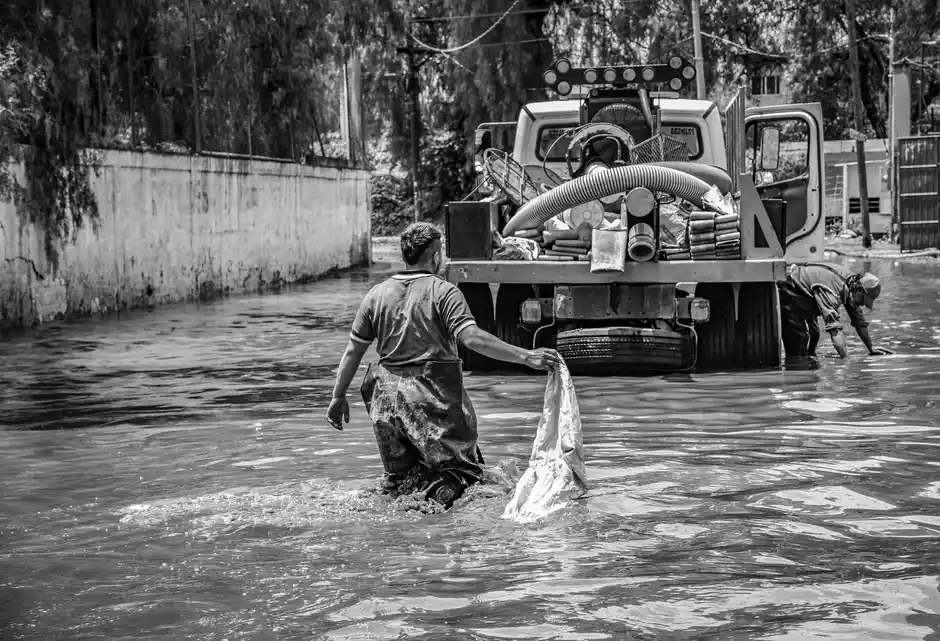
A black and white photo depicting flood cleanup efforts in an urban setting, showcasing resilience.
Licensed Licensed & Bonded
Fully Insured Insured & Bonded
24/7 Emergency Same-Day Response
Warranty Backed Workmanship Guaranteed

What 24/7 Water Removal Includes

24/7 Water Removal covers emergency assessment, safe access, extraction of accessible standing water, and moisture checks in affected areas. We explain when drying equipment, cleaning, or material removal is the next step. Work involving contamination, extensive demolition, or repairs beyond water extraction requires additional planning, and we identify those needs before moving forward. You receive upfront pricing for the agreed work.

Initial Water Assessment

We identify the apparent source, water depth, affected rooms, and immediate hazards. You can expect questions about electrical access and whether water may contain sewage or storm debris. That assessment helps us select equipment and protective measures instead of treating every flooded space the same way.
Standing Water Extraction

We remove accessible pooled water using a pump, extraction unit, or wet/dry vacuum matched to the volume and surface. We work through affected areas systematically and take care around furniture and belongings. Extraction removes bulk water; it does not by itself prove that concealed materials are dry.

Moisture Checks

After pumping, we check accessible affected materials and nearby areas for moisture that remains. We explain readings and point out wet carpet padding, baseboards, or flooring that needs further attention. These checks help you understand whether in-place drying is appropriate or material removal is required.

Drying Equipment Guidance

When conditions allow, we place air movers and dehumidification equipment to support drying. We explain how to keep the equipment unobstructed and why readings matter more than a surface that feels dry. Continued monitoring helps determine when affected materials have reached an appropriate dry condition.

Work Area Protection

We use protective equipment suited to the water and work conditions, and keep equipment placement organized around household or business access. For contaminated water, we limit entry to affected areas and explain cleaning requirements. This helps protect occupants while extraction and initial assessment are underway.

24/7 Water Removal in New Jersey


24/7 Water Removal in New Jersey is an emergency water-removal service that extracts standing water at any hour to limit damage after leaks, floods, or equipment failures. We first identify the water source and assess electrical and contamination hazards, then select a truck-mounted water extraction unit, portable pump, or wet/dry vacuum for the conditions. A moisture meter helps find water beyond the visible puddle. We remove soaked contents when safe, document affected materials, and explain whether drying, cleaning, or further restoration is needed.

New Jersey homes face winter pipe breaks, spring seepage, summer downpours, and coastal or tidal flooding, with risk varying by building and location. A failed sump pump in a finished basement can soak carpet and carpet padding before anyone notices; a water heater leak can spread beneath wood flooring. If you are searching for a 24/7 water removal company in New Jersey, call while water is still accessible. We stop active pumping when the source is controlled and the area is safe to work.

What Happens During A Call

Our process keeps the response practical: control the hazard, extract water, and identify what remains wet. You can tell us where water is coming from, how deep it is, and whether it may involve sewage; those details help us prepare the right pump and protective equipment.

01

Schedule

Call or book online — a real human picks up and confirms a 2-hour arrival window.

02

Diagnose

Licensed tech inspects on-site, then walks you through the cause and your options.

03

Fix

The job is completed to code and done right the first time — no shortcuts, no surprises.

04

Guarantee

Every job backed by a written workmanship warranty — and we stand behind it.

Equipment And Removal Methods

Tools & Equipment

Truck-mounted water extraction unit

We use a truck-mounted unit when access and water volume suit its capacity. It can remove substantial water from broad, accessible areas and speed up the bulk extraction phase.

Submersible pump

A submersible pump moves deeper standing water from basements and utility rooms. We place it where water collects and monitor the level as extraction proceeds.

Moisture meter

We use a moisture meter to compare affected materials with nearby areas and track whether concealed moisture remains after visible water is removed.

Commercial dehumidifier

After extraction, a commercial dehumidifier helps remove moisture from indoor air while air movers circulate it across wet surfaces. Placement depends on room size and drying conditions.

HEPA air scrubber

When job conditions call for airborne particle control, a HEPA air scrubber can filter air within the work area. We choose its use based on the materials and work being performed.

Methods & Standards

Source-first inspection

We establish whether the leak is active, identify apparent water type, and check access hazards before pumping. That sequence prevents equipment placement in an unsafe area and helps determine whether the water needs contamination controls. You receive a direct account of what we found and what can be removed.

Bulk extraction followed by detail work

We remove the greatest accessible volume first with a pump or extraction unit, then address residual water along edges and low spots. The equipment changes as the water level falls. We finish this phase by checking affected materials so a clean-looking floor is not mistaken for a fully dry structure.

Moisture-guided drying

We use moisture readings to guide where drying equipment is placed and whether further checks are needed. Air movement and dehumidification support moisture removal, while follow-up readings indicate progress. This measured approach is more reliable than choosing a drying duration solely by appearance or touch.

Contamination-aware handling

Water from sewage backups or certain flood conditions requires a different work approach than a clean supply-line leak. We restrict access where needed, use suitable personal protective equipment, and identify porous materials that may not be appropriate for in-place drying. Cleaning and disposal decisions reflect the water source and affected materials.

When To Call For Water Removal

01

You find a burst supply pipe at 2 a.m. and water is moving from the kitchen toward the hallway.

What we do: Call us and shut off the supply valve only if you can reach it safely. We ask about the affected rooms and electrical hazards, then inspect and extract water with equipment suited to the floor and volume. We check nearby edges where water may travel beneath flooring.

→ The active water is removed from accessible areas, and you know which materials need moisture checks, drying, or repair before the next workday.

02

Heavy November rain overwhelms a sump pump and leaves several inches of water in your basement.

What we do: We assess the depth, access, and water source before setting a submersible pump. After the bulk water is removed, we check the floor perimeter and stored belongings for wet materials. If water is still entering, we explain what must be addressed alongside extraction.

→ You get a cleared path through the basement, an assessment of affected materials, and a plan for drying once the water source is controlled.

03

A water heater leaks after hours and dampens the utility-room floor and adjacent wood flooring.

What we do: We remove pooled water, check under and beside accessible flooring, and use moisture readings to identify areas that need further attention. Our crew distinguishes the leak area from unaffected rooms and explains what equipment can support drying.

→ The leak's water is extracted, the floor is assessed rather than guessed at, and you can move forward with a clear repair and drying sequence.

04

A commercial tenant discovers water near electrical equipment before employees arrive.

What we do: We keep clear of unsafe electrical areas, assess access with the property contact, and determine how to extract water without disrupting unaffected spaces. We identify the affected floor area and check adjacent surfaces before arranging any necessary drying.

→ The immediate water problem is addressed with safety as the first priority, and the operator has clear information for reopening decisions and follow-up work.

How 24/7 Water Removal Works Locally

New Jersey properties range from older houses with low basement ceilings to multiunit buildings with shared corridors and commercial spaces with restricted access. In dense areas such as Jersey City and Kearny, carrying hoses and pumps through narrow entrances can shape setup; in coastal communities, stormwater and tidal flooding can bring debris and uncertain water quality. Cold-season freezes can split exposed pipes, while intense rain at other times of year tests sump pumps and basement drainage. Our crew adapts equipment and access plans to the building rather than assuming every job has a clear driveway and open utility room. If you are searching for New Jersey water damage cleanup available day and night, tell us the building type, floor level, water depth, and source when you call. We assess electrical safety and contamination before extraction. Any reconstruction or plumbing work must follow applicable requirements, including New Jersey contractor registration requirements when relevant; we do not treat water removal as a substitute for code-compliant repairs.

Neighborhoods We Serve

  • Journal Square

    Multifamily buildings and shared entrances can make equipment movement and hallway protection important. We plan access with the property contact and keep extraction focused on the affected unit and route.

  • The Heights

    Older homes and varied basement layouts can hide water around stairwells and lower wall edges. We check beyond the visible puddle and note access limits before setting pumps.

  • Downtown Kearny

    Closely spaced homes and narrow side access can affect hose placement. We identify the best safe route to the affected basement or ground-floor room before extraction begins.

  • Bergenfield residential blocks

    Basement seepage and appliance leaks can affect finished lower levels. We check carpet edges, baseboards, and adjacent rooms after removing standing water.

Local Conditions We Plan For

  • Freezing nights increase the risk of burst pipes in exposed spaces.

    Water can keep flowing until the supply is shut off, then spread beneath flooring and into lower walls. We prioritize the active source, safe access, and extraction before checking nearby materials for moisture.

  • Heavy rain can overwhelm sump pumps and basement drainage.

    Water may continue entering while pumping is underway, especially in low areas. We track the water level, identify active seepage, and explain what needs attention after the bulk water is removed.

  • Coastal and tidal flooding can introduce debris or contaminated water.

    Water quality affects protective equipment, access, and material decisions. We assess the source before handling affected contents and do not treat potentially contaminated floodwater like a clean plumbing leak.

Overnight Basement Pipe Break

Before

A supply pipe split in a finished basement while the household slept. Several inches of water covered part of the floor, with carpet and carpet padding soaked near the utility room. Boxes sat against the wall, and water had reached the baseboards. The family needed the water removed before opening the space for repairs.

After

We pumped out the standing water, extracted the remaining floor pools, and checked the carpet edge and lower wall with a moisture meter. The visible water was cleared in about 3 hours; drying continued over the next several days based on readings. The family had a documented affected area and knew which materials needed removal.

Maintenance: After repairs, inspect exposed pipes before winter and know where the main shutoff is located. Keep stored boxes elevated off basement floors, and test the sump pump seasonally so a small problem is found before the next leak.

Before

A failed sump pump left water across a basement utility area during a period of heavy rain. The water reached stored belongings and spread around the appliance bases. The owner could not tell whether the floor was simply wet or whether water had moved beneath nearby flooring.

After

We used a submersible pump for the deeper pool, then extracted residual water from low spots. The bulk water was removed in roughly 2 hours, followed by moisture checks around the floor perimeter. The owner received a clear list of damp materials and the next drying steps rather than relying on a visual check alone.

Maintenance: Have the pump discharge and backup power checked before the wet season, and keep the pit clear of debris. Move important stored items onto shelving so another pump failure does not leave boxes sitting directly in water.

Before

A leaking water heater sent water across a utility-room floor and into the edge of an adjoining hallway. The leak was found after hours, with wood flooring beginning to show dampness near the threshold. The property owner needed to know whether water had reached beneath the finished surface.

After

We removed the standing water, checked the transition and accessible floor edges, and recorded moisture readings in the affected area. Extraction took about 90 minutes; the readings showed where drying equipment was appropriate. The owner could arrange the heater repair and follow the drying progress without guessing at the floor condition.

Maintenance: Check around the water heater for new drips, rust, or a damp pan, and keep the surrounding area clear enough to inspect. Replace failed plumbing components promptly and keep the shutoff valve accessible.

Stop Flood Damage Before It Spreads

A wet floor is often only the visible part of a water loss. Water can move under flooring, into lower wall cavities, and through stored belongings while the source remains active. We remove standing water, identify the affected materials, and explain what needs attention next. Call promptly if the water is spreading or contaminated.

Problem

A burst pipe floods a finished basement overnight.

Water can soak carpet padding, baseboards, and stored belongings before the leak is discovered. Delayed extraction also makes it harder to determine how far water traveled.

Our Fix

We locate the accessible source, assess the basement for electrical and other hazards, and pump out standing water with equipment sized for the depth. Then we check nearby materials and explain whether carpet padding, water-damaged drywall, or other items need removal. You get a practical drying plan based on observed conditions.

Problem

A failed sump pump leaves water across a utility room.

Water may reach stored boxes, appliances, and lower wall materials, while continued seepage refills the area. Repeated pooling can conceal damp subflooring and increase cleanup work.

Our Fix

We extract pooled water, check the floor edges and accessible wall surfaces, and identify whether water continues entering. Our crew can use a submersible pump for deeper water, then switch to an extraction tool for residual puddles. We also note damp materials that need drying or repair after the water source is addressed.

Problem

A sewage backup creates unsafe water in a lower-level bathroom.

Wastewater can contaminate floors and belongings, and walking through it can spread contamination into clean rooms. Household vacuums and ordinary cleaning methods are not suitable for the hazard.

Our Fix

We treat sewage as contaminated, restrict access, and use appropriate personal protective equipment during assessment and removal. Our team extracts wastewater and identifies affected porous materials that need controlled cleaning or disposal. We explain which areas should remain closed while sanitation and any follow-up restoration work are completed.

Problem

Stormwater enters through a basement window or doorway.

Rainwater can carry outdoor debris and move quickly across a lower level. If it reaches insulation or carpet padding, surface drying alone will not address trapped moisture.

Our Fix

We pump out the water, inspect where it entered, and check affected flooring and lower wall materials. If you need an overnight floodwater removal service New Jersey residents can call, we focus on stopping active spread and documenting wet areas. Further drying and repairs are planned according to the materials and water conditions.

Less Water, Less Material Damage

Less Water, Less Material Damage

The first goal is to remove water promptly and make the affected area safer to inspect. We match the equipment to the volume, access, and water type, then record moisture readings rather than guessing from appearances. That gives you a clear next step for drying and repair.

  • Stop Water From Spreading

    Water follows seams, stairwells, and floor openings, so a puddle rarely marks the full affected area. We contain the flow, remove standing water, and check nearby rooms with a moisture meter. Acting early can reduce how much drywall, insulation, and flooring needs to be removed.

  • Protect Salvageable Belongings

    We help you separate wet items from dry ones and prioritize belongings that can be moved safely. In a small leak, lifting furniture and removing saturated carpet padding can prevent further transfer into wood flooring. We document affected materials so you have a practical record for the next repair decisions.

  • Get A Clear Drying Plan

    Extraction removes bulk water; drying addresses moisture left in materials. We use readings and visual checks to determine where air movers or a commercial dehumidifier are needed. You see which areas remain damp and what measurements will guide follow-up, rather than relying on a floor that merely feels dry.

  • Reach Help After Hours

    A burst pipe at 2 a.m. or a flooded shop before opening cannot wait for regular business hours. Our emergency line connects you with 24/7 water pumping service for active water problems. We focus first on safe access, stopping the source when possible, and removing water from the affected space.

Training And Safe Work

Licensed & Certified

  • IICRC Water Damage Restoration Technician — issued by Institute of Inspection, Cleaning and Restoration Certification
  • IICRC Applied Structural Drying — issued by Institute of Inspection, Cleaning and Restoration Certification
  • IICRC Applied Microbial Remediation Technician — issued by Institute of Inspection, Cleaning and Restoration Certification
  • OSHA Hazard Communication Standard — issued by Occupational Safety and Health Administration

Verified Reviews

Customer feedback Not stated

A homeowner in Bergenfield described a basement leak that reached the carpet and lower wall. The crew removed the standing water, checked the baseboards for moisture, and explained which areas needed drying. The homeowner valued having a clear next step instead of being told the room was fine based only on appearance.

Customer feedback Not stated

A Kearny property manager called after a water heater leak spread into a hallway. The team extracted the water after hours and checked the flooring near the doorway. The manager said the update on what was wet and what remained unaffected helped coordinate the plumber and prepare the building for tenants.

Customer feedback Not stated

A Roselle resident reported rainwater in a basement after a sump pump failure. The crew pumped out the deeper water, cleared remaining puddles, and pointed out damp materials near stored belongings. The resident appreciated the practical advice on moving items and arranging follow-up drying.

Training For Difficult Water Losses

Water removal takes more than a pump: the crew must recognize contamination, protect occupants, and tell extraction from structural drying. Our technicians apply IICRC Water Damage Restoration Technician principles when assessing affected materials and planning the work. We follow equipment instructions, use personal protective equipment suited to the water category, and keep the work area organized. Each job is different, so we base the plan on water source, material type, and measured moisture rather than a fixed checklist. You get direct explanations at each stage.

  • IICRC Water Damage Restoration Technician training supports consistent inspection, water categorization, extraction, and drying decisions.
  • We separate clean water leaks from sewage backup and potentially contaminated floodwater before choosing protective measures.
  • Moisture readings help identify concealed wet materials behind baseboards and beneath flooring after visible water is removed.
  • Our crew selects truck-mounted or portable pumps based on water depth, access, power, and the affected floor area.
  • We explain when drying alone is unsuitable and water-damaged drywall, insulation, or carpet padding needs removal.
Get Started Today
Training For Difficult Water Losses

Cities We Serve In New Jersey

We deliver 24/7 Water Removal across New Jersey, from dense residential blocks to South Jersey homes and coastal communities. Our crew adapts pump selection and access planning to the building, water depth, and source. For round-the-clock water extraction New Jersey residents can call any hour, tell us your city and whether the water is still entering. We serve Jersey City, Vineland, Kearny, Bergenfield, and Roselle, with statewide coverage for urgent residential and commercial water emergencies.

Frequently Asked Questions

Real answers to the questions we hear most often from local homeowners and property managers.

Can I get 24/7 water removal in New Jersey?
Yes, you can request emergency water removal in New Jersey at any hour by calling +18668968166. We ask about the water source, depth, access, and safety concerns, then prepare the response around those details. A small appliance leak and a flooded basement need different equipment. Stay out of water near electrical hazards and tell us if sewage may be involved.
Who provides round-the-clock water extraction near me?
New Jersey Water Extraction Pros provides round-the-clock water extraction near me in New Jersey for homes and businesses. Call +18668968166 and tell us your city, what caused the water, and whether it is still entering. We use pumps or extraction units appropriate to the conditions, then check affected materials for remaining moisture. Response and job duration depend on access, water volume, and safety.
How soon can an after-hours water removal crew arrive?
Arrival time depends on your location, road conditions, and current emergency calls; we confirm an estimated window when you call. Share your address, water source, and any access restrictions so we can plan the route and equipment. While waiting, avoid flooded rooms with electrical hazards and shut off the water supply only if you can reach the valve safely.
Does 24-hour floodwater removal cost more in New Jersey?
Emergency work can cost more when the job requires overnight labor, specialized pumping, contamination controls, or extensive drying. A small, accessible clean-water leak may cost about $180 to $450, while larger flooding can run $1,000 to $5,000 or more. We explain the work and price upfront before starting. Water depth, affected materials, and disposal needs are major cost factors.

Related Water Removal Services

Emergency Water Extraction

Emergency Water Extraction addresses sudden leaks and flooding when water is actively damaging your property. We inspect the source, remove accessible standing water, and assess affected materials. It is the immediate-response service that supports 24/7 Water Removal when a pipe breaks or an appliance releases water after hours.

View Emergency Water Extraction

Flood Water Removal

Flood Water Removal focuses on water entering from intense rain, overflowing drains, or other flood conditions. We assess the water type and depth before pumping, then identify materials requiring cleaning or removal. This service connects with 24/7 Water Removal when floodwater reaches a home or commercial space.

View Flood Water Removal

Basement Water Removal

Basement Water Removal targets seepage, sump pump failure, and pipe leaks below grade. We select pumping equipment for the depth and access, then check flooring, stored belongings, and lower wall sections for moisture. Call for 24/7 Water Removal when water is rising in a finished or unfinished basement.

View Basement Water Removal

Standing Water Removal

Standing Water Removal clears pooled water from floors, utility rooms, and other accessible spaces. The method depends on water depth: a submersible pump moves deeper water, while an extraction unit handles shallower areas. It is a direct component of 24/7 Water Removal for a sudden leak or flood.

View Standing Water Removal

Residential Water Extraction

Residential Water Extraction helps protect your home after burst pipes, water heater leaks, or appliance failures. We remove water, check adjacent rooms, and explain which materials need drying attention. For nighttime emergencies, 24/7 Water Removal gets the extraction process underway before the damage spreads further.

View Residential Water Extraction

Commercial Water Extraction

Commercial Water Extraction is planned around access, business operations, and the affected area. We address leaks in offices, shops, and shared spaces, using equipment suited to the water volume and floor layout. Our 24/7 Water Removal response helps operators deal with flooding before employees or customers return.

View Commercial Water Extraction

Call For 24/7 Water Removal in New Jersey

Water spreads quickly through flooring and lower walls. Call New Jersey Water Extraction Pros at +18668968166 and tell us what happened, where the water is, and whether it is still flowing. Our trained technicians will help you take the next safe step and arrange emergency service.

Call Now Call For Help

Contact Our Referral Team

Call New Jersey Water Extraction Pros at +1 866-896-8166 any time to report a leak, flooded basement, or stormwater problem. Our referral line is open 24/7, and we connect you with independent companies serving New Jersey communities. Tell us the source of the water and your location so we can direct your request to a local provider.

Or call us right now at +18668968166 — we answer.

New Jersey Water Extraction Pros


  • Phone

    +18668968166
  • Address

    New Jersey

  • Hours

    Mon–Fri: 7AM – 7PM
    Sat: 8AM – 4PM
    Sun: Emergency Only
    24/7 Emergency Available

Call +18668968166 Get Quote
Call Quote