
Logo
Get Estimate

Commercial Water Extraction in New Jersey

Get water out, protect your property, reopen sooner


Commercial Water Extraction in New Jersey helps offices, retail spaces, warehouses, and other businesses recover from leaks and flooding. Our team pumps out standing water, checks affected materials, and sets drying equipment to limit damage and interruption. If a pipe bursts overnight or stormwater reaches your premises, call us for commercial water removal New Jersey businesses can use to start recovery promptly.

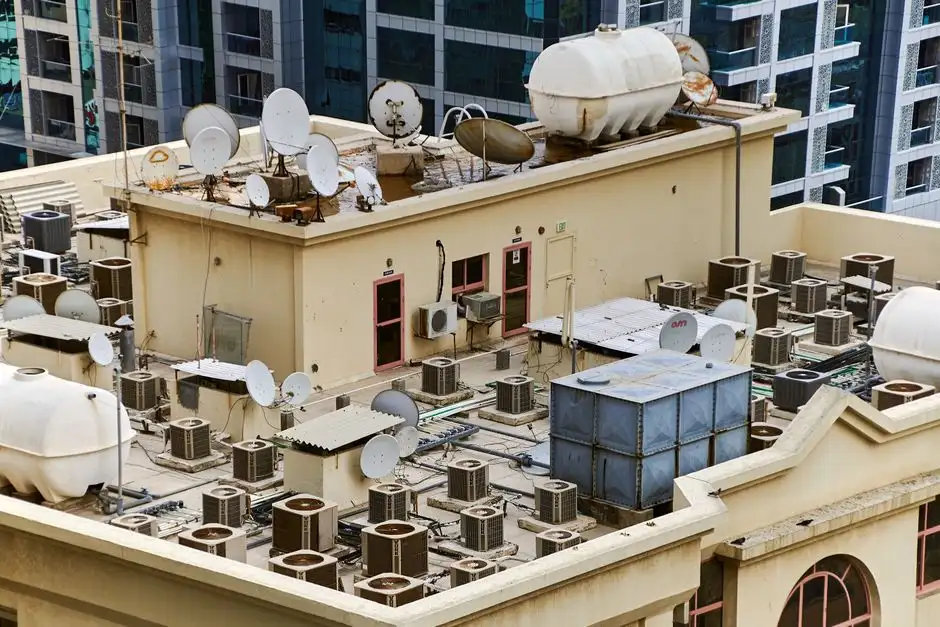
Captured from above, this urban rooftop features satellite dishes, water tanks, and HVAC units, showcasing city infrastructure.
Licensed Licensed & Bonded
Fully Insured Insured & Bonded
24/7 Emergency Same-Day Response
Warranty Backed Workmanship Guaranteed

What Commercial Extraction Includes

Commercial Water Extraction covers assessment, water removal, and moisture checks in affected business areas. We choose the extraction method for the water depth and site access, then set drying equipment when materials retain moisture. Cleaning, material removal, and reconstruction depend on water condition and damage; we explain those next steps separately so you know what the extraction work addresses.

Water Source Assessment

We identify the likely source, map visible water spread, and check immediate safety concerns before equipment enters the area. You help us identify affected operations, utility spaces, and inventory. This information guides the order of work and helps us distinguish a supply-line leak from outside floodwater or sewage.
Pumping and Extraction

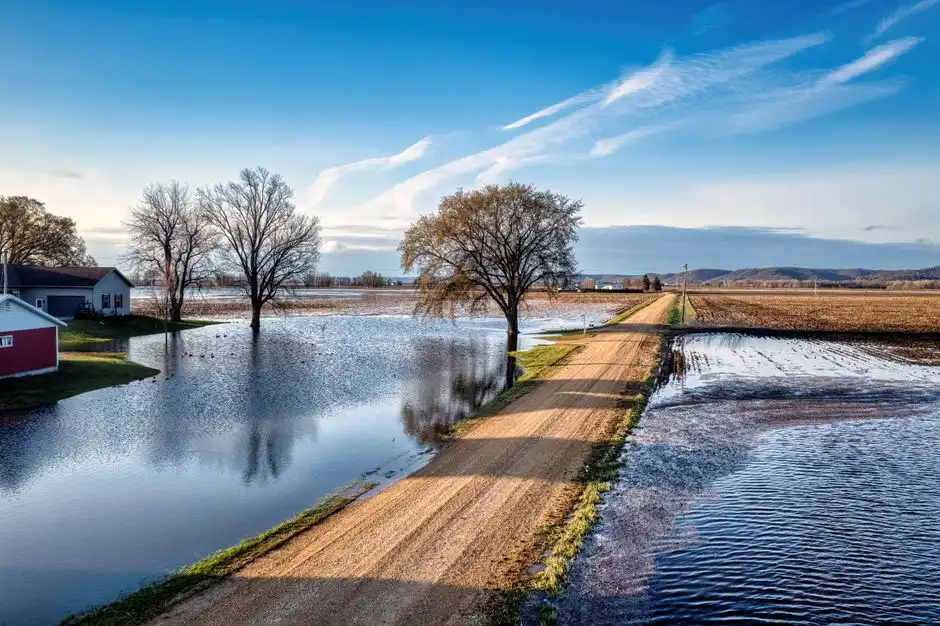
We remove standing water with equipment suited to its depth and location. A submersible pump can clear deeper pools, while portable extraction tools reach shallow water and confined areas. We work through affected rooms systematically and avoid leaving obvious pools beneath shelving, near partitions, or around fixed equipment.

Moisture Mapping

We check materials such as carpet, baseboards, and lower wall sections for moisture that can remain after surface water is gone. A moisture meter provides repeatable readings, which we use to track drying. This step helps your property team understand where additional air movement or further assessment is needed.

Drying Setup and Checks

Where materials can be dried in place, we position air movers and commercial dehumidifiers to support moisture removal. We review equipment placement with your site contact, check conditions during the process, and adjust as needed. If readings point to trapped moisture or damaged materials, we explain the appropriate next action.

Site Handover Guidance

At handover, we review the areas treated, equipment status, and moisture readings with your facilities contact. We identify any materials requiring repair or additional cleaning and discuss access restrictions that remain. Your staff leave with practical information for coordinating reopening, repairs, and any follow-up checks.

Commercial Water Extraction in New Jersey


Commercial Water Extraction in New Jersey is an emergency property restoration service that removes unwanted water from business interiors and helps dry affected building materials after leaks or flooding. We inspect the affected rooms, identify water depth and spread, extract pooled water, and track moisture in floors, walls, and contents. A moisture meter helps us compare readings over time, while a wet/dry vacuum or pump handles water that standard cleaning equipment cannot remove. The goal is to stop water from continuing to move through the property and establish a clear drying plan.

Businesses across New Jersey face burst pipe flooding, appliance leaks, basement seepage, sump pump failure, and stormwater intrusion. Coastal and tidal flooding can affect properties near the shore, while freeze-thaw weather in colder months can stress pipes and building systems. We tailor New Jersey business flood cleanup to the building, water source, and materials involved. For example, a flooded stockroom needs a different sequence from a carpeted office; a commercial water extraction company in New Jersey should document moisture and prioritize safe access as well as pumping.

What Happens During Service

Commercial Water Extraction in New Jersey follows a clear sequence: assess the source, remove water, and verify drying progress. We coordinate with your property contact, explain immediate access needs, and keep work areas organized. The exact schedule depends on the water volume, affected materials, and whether the leak or flood source has been stopped.

01

Schedule

Call or book online — a real human picks up and confirms a 2-hour arrival window.

02

Diagnose

Licensed tech inspects on-site, then walks you through the cause and your options.

03

Fix

The job is completed to code and done right the first time — no shortcuts, no surprises.

04

Guarantee

Every job backed by a written workmanship warranty — and we stand behind it.

Equipment and Drying Methods

Tools & Equipment

Truck-mounted water extraction unit

We use truck-mounted equipment when access and water volume make high-capacity extraction practical. It removes pooled water efficiently from larger areas, helping us reduce the amount left for the drying phase.

Portable water extraction pump

A portable pump helps us work in confined rooms, lower levels, and locations where a truck-mounted setup cannot reach. We select the pump based on water depth, access, and the condition of the affected space.

Moisture meter

We take readings in affected materials and return to marked locations to compare progress. The readings help show whether drywall, flooring, or other assemblies are drying and whether equipment placement needs adjustment.

Commercial dehumidifier

A commercial dehumidifier removes moisture from the air as wet materials release it. We pair it with directed air movement and position it to support drying without unnecessarily obstructing business access.

HEPA air scrubber

Where conditions warrant air filtration, a HEPA air scrubber helps manage airborne particles in a controlled work area. We use it as part of a broader cleanup plan, not as a substitute for removing water or addressing damaged materials.

Methods & Standards

Moisture mapping and repeat measurement

We record readings at affected locations and compare them during drying checks. This helps distinguish a dry surface from moisture retained below it and gives your facilities contact a clearer basis for planning access, repairs, or continued equipment use.

Source and water-condition separation

We identify whether water came from a clean supply line, storm intrusion, or a sewage backup before choosing cleanup measures. Water condition affects access controls, protective equipment, and cleaning decisions. Keeping these categories distinct helps avoid treating contaminated water as an ordinary spill.

Controlled structural drying

When materials are suitable to dry in place, we combine air movement with dehumidification and recheck moisture over time. Equipment placement responds to the room layout, affected surfaces, and business access requirements. We adjust the plan when readings or material conditions show that the first setup is not enough.

When Businesses Need Extraction

01

A frozen pipe breaks overnight, leaving water across an office before employees arrive.

What we do: We assess the affected rooms, check access and electrical hazards, and remove standing water with suitable pumps or extraction tools. Then we inspect the nearest wall and floor materials, set drying equipment where appropriate, and coordinate with your manager about which areas need to stay clear.

→ Your team gets a defined recovery sequence before the workday begins, with priority spaces identified and drying progress tracked rather than judged by appearance.

02

Heavy rain pushes water through a loading entrance into a warehouse or stockroom.

What we do: We pump out deeper water first, then work around pallets, shelving, and equipment to remove remaining pools. We check lower walls and floor edges for moisture, separate affected contents where practical, and discuss safe routes for staff and deliveries while drying continues.

→ The warehouse has clearer access, fewer standing-water hazards, and a documented view of which storage zones need more attention before normal use.

03

A sewage backup affects a shared hallway and several commercial tenant spaces.

What we do: We restrict the affected route, assess contamination, and use protective equipment suited to the conditions. After removing water, we identify materials needing cleaning or removal and use appropriate disinfectant according to label directions. We coordinate access boundaries with building management and keep unaffected routes separate where possible.

→ Tenants and staff receive clear access instructions while contaminated areas are handled separately from clean spaces and prepared for the next stage of restoration.

04

A water heater leaks into a business utility room and nearby offices.

What we do: We help identify the extent of spread from the utility room, extract water from affected floors, and check nearby baseboards and wall sections. We set air movement and dehumidification based on readings, then revisit the area to confirm moisture is falling before equipment is removed.

→ The leak's reach is made clear, wet materials receive focused drying, and your facilities contact can plan repairs without relying on a surface-only inspection.

How Commercial Extraction Works Locally

Commercial Water Extraction in New Jersey has to account for sharply different building and weather conditions across the state. Dense commercial corridors may have narrow service access, shared utility rooms, and occupied upper floors; inland business parks may have broad floor plates and large loading areas. Winter freezes can lead to burst pipes, while late-fall and winter storms bring wind-driven rain and drainage problems. Spring rain and summer downpours create another risk for below-grade spaces. Coastal and tidal flooding adds debris and contamination concerns for shore properties. We plan commercial water removal around the water source, occupancy, and building layout, then separate active extraction from drying and repair decisions. In older buildings, water can travel through concealed cavities or beneath finished floors, so surface appearance is not enough. We also consider New Jersey contractor registration requirements when work moves beyond extraction into regulated repair. For New Jersey commercial flood cleanup with structural drying, tell us which entrances, floors, and critical rooms remain in use so we can set safe work boundaries.

Neighborhoods We Serve

  • Bayonne business districts

    Commercial sites with lower-level storage and shared access need equipment staged without blocking building circulation or tenant entrances.

  • West New York mixed-use corridors

    Occupied buildings call for careful coordination around storefronts, upper-floor tenants, and shared service routes during pumping and drying.

  • Long Branch coastal properties

    Shore-area businesses need a water-source assessment that distinguishes a plumbing leak from storm or tidal intrusion.

  • Lodi commercial properties

    Warehouses and local retail spaces benefit from zone-by-zone extraction that keeps unaffected stock and routes separated from wet areas.

Local Conditions We Plan For

  • Coastal and tidal flooding affects shore-facing commercial buildings

    Debris and contamination can change the cleanup approach, especially in ground-floor storage and service rooms. We assess water condition before selecting protective measures and cleaning steps.

  • Winter freezes strain exposed pipes and utility spaces

    A burst line can release water into occupied offices before staff arrive. We prioritize the source area and nearby electrical or equipment rooms, then check how far water migrated beyond the visible pool.

  • Heavy rain overwhelms entrances and below-grade drainage

    Water can enter through loading doors, parking-level ramps, and basement openings. We match pumping equipment to water depth and keep access routes in the plan while identifying whether intrusion is still active.

Office Pipe Leak Recovery

Before

A supply line leaked into a 1,200-square-foot office overnight. Water crossed two carpeted rooms, reached baseboards, and left staff unsure which desks could be used. The visible puddles were shallow, but carpet padding and the floor edge held moisture beyond the areas that looked wet.

After

We extracted standing water, checked the affected floor edges, and positioned drying equipment in the two rooms. Repeat moisture checks tracked progress across the marked locations over the following days. The facilities manager received a clear room-by-room update and could keep unaffected office areas in use.

Maintenance: Have a plumber repair the failed line, inspect nearby connections, and keep the utility area accessible. Check the affected floor edges after future leaks and report any new staining or odor before placing furniture back.

Before

Stormwater entered a retail stockroom through the rear door and reached the bottom shelves. Staff moved some cartons but could not safely push loaded fixtures across the wet floor. Water remained near the entrance and had started to spread beneath stored goods.

After

We pumped out the deeper water, vacuumed remaining pools, and checked the lower wall and shelving zone. The affected stock was separated from dry inventory, and the manager received guidance on restricted access while drying equipment ran. Extraction and inspection covered the full 900-square-foot stockroom.

Maintenance: Keep the rear entrance and floor drain clear of stored goods, and check seals before the next storm season. After intense rain, inspect the stockroom promptly so water does not sit beneath cartons or fixtures.

Before

A failed sump pump left water across a 650-square-foot basement used for records and building supplies. The water reached shelving feet and the lower wall, while staff could not tell whether the floor was still wet beneath stored items.

After

We removed the pooled water with a pump, cleared residual water around shelving, and measured affected floor and wall sections. The site contact received readings and a list of materials requiring further review. The basement was left with a defined drying plan rather than a visual guess.

Maintenance: Arrange repair and testing of the sump system, keep stored materials elevated, and check the basement after heavy rain. A recurring alarm or pump failure should be addressed before the next water event.

Solve Flood Problems Before Downtime Grows

A commercial leak rarely stays in one place: water follows floor slopes, joints, and wall cavities, then reaches stock or shared corridors. We remove water and assess spread before hidden moisture and secondary mold growth become harder to address. Quick decisions protect access and help you prioritize the most important spaces.

Problem

A burst pipe floods an office before the morning shift arrives

Water can soak carpet padding, travel under partitions, and leave staff without safe access to workstations or electrical areas.

Our Fix

We assess the source and safe routes, extract pooled water, then check nearby carpet, baseboards, and wall edges for retained moisture. Air movers and a commercial dehumidifier support drying where materials are suitable. We coordinate the order of rooms with your site contact so unaffected work areas remain accessible when possible.

Problem

A failed sump pump leaves water across a commercial basement

Stored goods, utility equipment, and lower wall materials can remain wet even after the water level drops, increasing damage and disrupting building operations.

Our Fix

We pump out the deeper water, vacuum residual pools, and inspect floor edges and lower wall sections. We record moisture readings and flag materials that need further assessment. If seepage continues, we note the active condition so your building team can address the source while drying work proceeds.

Problem

Stormwater or tidal flooding reaches a coastal business

Floodwater can carry debris and contaminants into entrances, storage rooms, and low-level spaces, making ordinary mopping unsafe and insufficient.

Our Fix

We treat coastal water as a different cleanup problem from a clean pipe leak. Our team controls access, removes standing water, and uses appropriate personal protective equipment and cleaning procedures. We then inspect affected materials and discuss which areas need additional cleaning before staff or customers return.

Problem

An appliance leak spreads beneath retail flooring

Water hidden below a display area can weaken flooring and damage stock before anyone notices a surface puddle or odor.

Our Fix

We trace the visible spread from the appliance, extract water from accessible floor areas, and check nearby edges for hidden moisture. A moisture meter helps us compare readings during follow-up. We work around displays and shelving to limit unnecessary disruption and identify any contents that should be moved or protected.

Protect Operations and Property

Protect Operations and Property

Commercial flooding creates two urgent problems: damage spreading through the building and work stopping while rooms are unusable. We focus first on removing water and isolating affected areas, then measure drying progress so you can make informed decisions about access, inventory, and reopening. Clear records help your facilities staff coordinate next steps.

  • Limit Business Downtime

    We prioritize active work areas, customer routes, and critical equipment so water removal supports a practical reopening plan. A 2,000-square-foot office with a contained leak requires a different sequence from a large warehouse, so we map affected zones and set equipment where it can work without blocking every route. Our approach supports how businesses can limit downtime after water damage.

  • Remove Water Thoroughly

    Visible puddles do not show how far water has traveled beneath carpet and carpet padding, behind baseboards, or into subflooring. We extract standing water, inspect connected materials, and record readings in affected areas. Repeat measurements show whether moisture is falling rather than relying on a floor that merely looks dry.

  • Protect Salvageable Materials

    Fast extraction gives you a better chance of drying suitable materials before damage worsens. We separate wet contents, identify water-damaged drywall or flooring, and use air movers with a commercial dehumidifier where appropriate. If water is contaminated, we use the right safety controls and cleaning approach instead of treating it like a clean supply-line leak.

  • Plan Around Your Site

    We coordinate access around staff, tenants, customers, and building operations. A portable water extraction pump can reach a confined room, while larger volumes may call for a truck-mounted water extraction unit. We explain which spaces need restricted access and what equipment will remain in place during drying, so your manager can communicate a workable plan.

Training and Work Standards

Licensed & Certified

  • Water Damage Restoration Technician — issued by Institute of Inspection, Cleaning and Restoration Certification
  • Applied Structural Drying — issued by Institute of Inspection, Cleaning and Restoration Certification
  • Applied Microbial Remediation Technician — issued by Institute of Inspection, Cleaning and Restoration Certification
  • OSHA Hazard Communication Standard — issued by Occupational Safety and Health Administration

Verified Reviews

Customer feedback Not stated

Our office manager described a pipe leak that affected two rooms. The crew extracted the water, checked the floor edges, and explained how they would track drying. The practical room-by-room updates helped the manager coordinate staff access without guessing which areas were ready.

Customer feedback Not stated

A retail site reported stormwater in its stockroom. The team pumped out the deeper water, worked around shelving, and checked the lower walls. The manager said the clear access instructions helped staff keep dry inventory separate while affected areas were being handled.

Customer feedback Not stated

A facilities contact shared that a basement sump failure left water around storage shelving. Extraction was followed by moisture checks, and the crew explained which areas needed continued drying. The contact used that information to plan the next inspection and keep stored materials off the floor.

Commercial Restoration Know-How

Commercial Water Extraction in New Jersey calls for sound field judgment, not just powerful pumps. Our technicians assess water category, building materials, access, and business priorities before choosing equipment. Training relevant to water damage includes IICRC Water Damage Restoration Technician (WRT) and IICRC Applied Structural Drying (ASD) principles. We also account for worker protection, including personal protective equipment and OSHA respiratory protection requirements where the conditions call for them. Your facility gets a practical sequence for extraction, drying, and documentation.

  • We use moisture readings at documented locations to compare conditions during drying instead of relying on touch or appearance alone.
  • Our team distinguishes clean supply-line leaks from sewage backup or floodwater, which changes protective measures and cleanup decisions.
  • We plan work around occupied offices, retail entrances, loading areas, and shared corridors to maintain safer access where possible.
  • Technicians apply IICRC Water Damage Restoration Technician training principles when assessing water migration and drying needs.
  • For contaminated water, we select cleaning measures with attention to EPA-registered disinfectant label compliance and safe handling.
Get Started Today
Commercial Restoration Know-How

Commercial Water Extraction FAQs

Real answers to the questions we hear most often from local homeowners and property managers.

Who offers commercial water extraction in New Jersey?
New Jersey Water Extraction Pros provides commercial water extraction for offices, retail properties, warehouses, and other business buildings across New Jersey. We assess the water source, remove pooled water, check affected materials, and set drying equipment based on the site. For a commercial water extraction company in New Jersey, ask about the affected areas, water source, and access conditions when you call so we can understand the immediate need.
How quickly can commercial water removal begin?
Commercial water removal can begin as soon as our team reaches the site and confirms safe access; active extraction often starts within the first few hours of arrival. The exact arrival time depends on conditions and location. If you have a burst pipe, shut off the supply if safe, keep people away from electrical hazards, and tell us whether water is clean, storm-related, or sewage-contaminated.
Can flood cleanup help a business reopen sooner?
Yes, prompt flood cleanup can help a business reopen sooner by removing standing water, prioritizing essential areas, and tracking drying conditions. A small contained loss may need a few hours of extraction followed by one or more days of drying; larger losses take longer. We help you identify which rooms can be used safely and which should remain restricted while materials dry or repairs are arranged.
What does commercial water extraction cost in New Jersey?
In 2026, a small commercial extraction job may cost about $500-$2,500, while larger or contaminated losses can run $3,000-$15,000 or more. Price depends on water volume, affected square footage, contamination, access, equipment time, and materials that need removal. We discuss upfront pricing before work proceeds and explain which factors drive the total. Repair and reconstruction are separate from water extraction.

Related Commercial Water Services

Emergency Water Extraction

When water is actively spreading through a business, emergency extraction addresses the immediate pool before it reaches more rooms or inventory. We assess safe access, stop or isolate the source where possible, and start pumping. This service connects directly to the broader commercial drying plan.

View Emergency Water Extraction

24/7 Water Removal

A leak at night or during a weekend can threaten stock, equipment, and customer areas before staff return. 24/7 Water Removal gives your site a way to address standing water outside normal business hours, then coordinate follow-up drying checks around your operating schedule.

View 24/7 Water Removal

Flood Water Removal

Flood Water Removal handles water that enters from heavy rain, drainage backup, or overflowing exterior areas. For business properties, we assess water depth and contamination, pump out affected spaces, and identify materials requiring additional cleaning or drying before regular use.

View Flood Water Removal

Basement Water Removal

Basement Water Removal is useful when a commercial lower level takes on seepage, a failed sump pump, or a plumbing leak. We remove pooled water, check walls and floor assemblies for retained moisture, and help the property manager plan drying in storage and utility areas.

View Basement Water Removal

Standing Water Removal

Standing Water Removal targets water left on floors after a leak or flood, including areas around shelving and equipment. We choose pumps and vacuums to suit the depth and access, then check for water trapped under flooring or behind baseboards instead of stopping at a visibly clear floor.

View Standing Water Removal

Residential Water Extraction

Residential Water Extraction serves homes affected by leaks or flooding, while the commercial service is structured around business access, staff, tenants, and inventory. Property managers handling mixed-use buildings can coordinate the affected units and common areas through a connected response plan.

View Residential Water Extraction

Call for Commercial Water Extraction

Standing water can spread into flooring, walls, and stock while your business waits. Our technicians will discuss the water source and affected areas, then help you take the next step. Call +18668968166 for prompt commercial water extraction in New Jersey.

Call Now Call for Help

Contact Our Referral Team

Call New Jersey Water Extraction Pros at +1 866-896-8166 any time to report a leak, flooded basement, or stormwater problem. Our referral line is open 24/7, and we connect you with independent companies serving New Jersey communities. Tell us the source of the water and your location so we can direct your request to a local provider.

Or call us right now at +18668968166 — we answer.

New Jersey Water Extraction Pros


  • Phone

    +18668968166
  • Address

    New Jersey

  • Hours

    Mon–Fri: 7AM – 7PM
    Sat: 8AM – 4PM
    Sun: Emergency Only
    24/7 Emergency Available

Call +18668968166 Get Quote
Call Quote