
Logo
Get Estimate

Emergency Water Extraction in New Jersey

Rapid pumping and drying for flooded homes and businesses


Emergency Water Extraction in New Jersey helps homeowners, landlords, and businesses stop standing water from spreading through floors, walls, and belongings. Our crew pumps out water, checks for hidden moisture, and starts drying after burst pipes, appliance leaks, basement seepage, or storms. For emergency water removal New Jersey property owners can call us any time; quick action reduces damage to carpet, drywall, and subflooring.

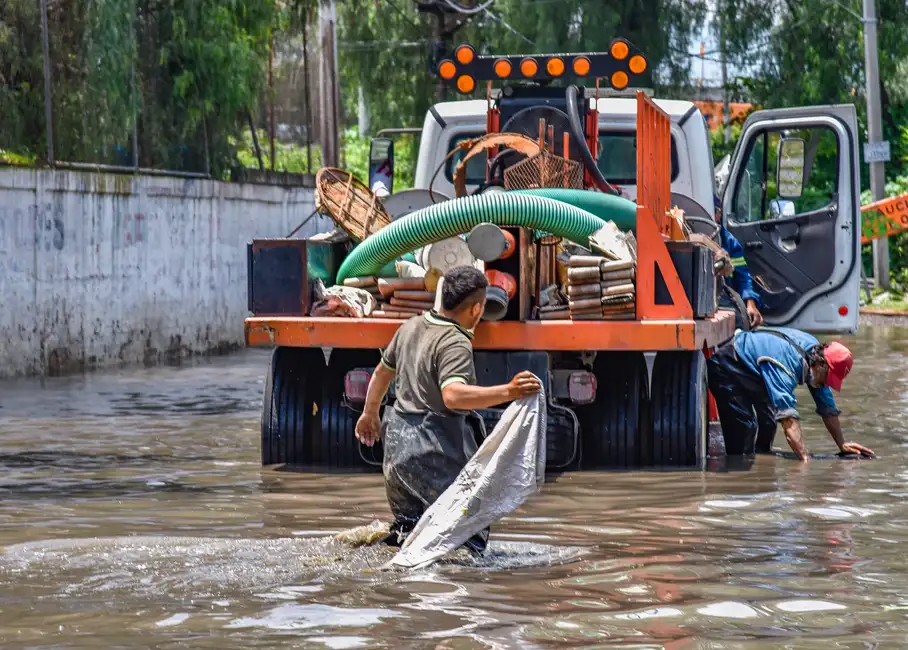
Workers wading through floodwaters near a truck, managing a city crisis after heavy rain.
Licensed Licensed & Bonded
Fully Insured Insured & Bonded
24/7 Emergency Same-Day Response
Warranty Backed Workmanship Guaranteed

What Emergency Extraction Includes

Emergency Water Extraction in New Jersey covers immediate assessment, removal of standing water, and initial drying measures for affected areas. We explain which cleaning or material-removal steps fit the water source and observed conditions. Specialized reconstruction, plumbing repairs, and extensive contents restoration are separate work, but we can identify where those trades or follow-up services are needed.

Water Source Assessment

We identify the apparent source, map visible spread, and ask whether the leak or backup is still active. This first check helps distinguish a plumbing leak from stormwater or sewage and guides the right pumping, protective equipment, and cleaning approach.

Standing Water Extraction

We use pumps and extraction equipment to remove accessible water from affected floors and low areas. The method depends on water depth, floor material, and room access. After pumping, we make additional passes to collect remaining surface water.

Moisture Inspection

We check affected floors, lower walls, and adjacent spaces with moisture meters. When concealed dampness is suspected, thermal imaging can help direct further inspection. These readings support a drying plan and help identify materials that need removal or closer monitoring.

Initial Drying Setup

Air movers and commercial dehumidifiers are placed to move air and reduce indoor moisture around affected materials. We explain where equipment is running and what follow-up readings will show. Drying duration depends on the materials, water volume, and room conditions.

Cleaning Guidance

We address surface cleaning according to whether water came from a clean line, drain, or outside. Contaminated areas require protective measures and appropriate disinfection. We also identify water-damaged drywall, carpet padding, or insulation that should be removed rather than dried in place.

Emergency Water Extraction in New Jersey


Emergency Water Extraction in New Jersey is a property-restoration service that removes unwanted water and begins controlled drying after a leak, flood, or plumbing failure. We first identify the water source and affected rooms, then use pumps or extraction equipment suited to the depth and type of water. A moisture meter helps us check floors and walls beyond visible puddles. We remove water-damaged materials when needed and set air movers and commercial dehumidifiers to reduce moisture that could otherwise lead to swelling, odors, or secondary mold growth.

New Jersey homes face winter pipe breaks, spring rain, summer storms, and coastal or tidal flooding, while older basements and multi-unit buildings bring their own access and drainage challenges. Our New Jersey emergency water extraction response addresses burst pipe flooding, sump pump failure, appliance leaks, and sewage backup with methods matched to the source. If you are asking how fast can emergency water removal arrive in New Jersey, call with your location and the water source so we can coordinate the response and equipment.

What Happens After Your Call

Emergency Water Extraction in New Jersey follows a clear sequence: control the source, remove water, assess affected materials, and dry the structure. We explain each stage as we work, so you know what is happening in your home or workplace.

01

Schedule

Call or book online — a real human picks up and confirms a 2-hour arrival window.

02

Diagnose

Licensed tech inspects on-site, then walks you through the cause and your options.

03

Fix

The job is completed to code and done right the first time — no shortcuts, no surprises.

04

Guarantee

Every job backed by a written workmanship warranty — and we stand behind it.

Equipment and Drying Methods

Tools & Equipment

Truck-mounted water extraction unit

High-capacity extraction supports larger losses and accessible ground-level areas. We use it to remove substantial water before switching to detailed work around edges, corners, and flooring.

Submersible pump

A submersible pump removes deeper standing water from basements and low points. Pumping first reduces the volume that smaller extraction tools must handle.

Moisture meter

We use a moisture meter to compare affected materials and track drying progress. Readings help identify damp areas that do not look wet on the surface.

Thermal imaging camera

Thermal imaging helps locate temperature patterns that can indicate hidden moisture. We use it to guide closer inspection rather than treating the image as a moisture reading by itself.

Dri-Eaz commercial dehumidifier

A commercial dehumidifier removes moisture from the room air while air movers support evaporation from damp materials. Placement is based on the affected area and measured conditions.

Methods & Standards

Source-first water control

We identify whether water is still entering before concentrating on cleanup. A stopped supply leak, failed appliance, or active drain backup calls for different immediate action. Once the source is controlled, we remove standing water and define the affected work area.

Moisture mapping

Our technicians compare readings across affected and nearby materials, including floor edges and wall bases. The resulting moisture map helps prioritize equipment and follow-up checks. It also prevents a dry-looking surface from being mistaken for a dry structure.

Controlled structural drying

We position air movers and dehumidification to support evaporation while monitoring material readings. Drying is adjusted as conditions change, especially where wood flooring, subflooring, or wall cavities hold moisture. Equipment remains in place until readings show progress toward the drying target.

Contamination-aware cleanup

We treat sewage and outdoor floodwater differently from a clean supply-line leak. Personal protective equipment, containment, removal of porous materials, and disinfectant use are selected for the conditions. Product directions and safe handling practices guide the cleaning work.

When to Call for Extraction

01

A frozen supply pipe breaks overnight and water is running through a ceiling or wall.

What we do: We help you prioritize stopping the supply safely, then extract water from affected rooms and check the floor or ceiling below. Our crew traces visible spread, measures damp materials, and starts drying after the active leak is controlled.

→ Water is removed before it continues spreading through connected rooms, and you have a measured account of materials that need drying or repair.

02

A basement sump pump fails during a November rainstorm, leaving water around stored belongings.

What we do: We pump out deep water, clear accessible floor areas, and assess the lower walls and stored contents. If water is still entering, we identify the immediate source condition before placing drying equipment and planning follow-up moisture checks.

→ The basement moves from pooled water to active drying, with affected belongings and building materials identified for the next step.

03

A commercial water heater leaks after hours and floods a utility room and nearby corridor.

What we do: We remove water from the utility area and corridor, check adjoining rooms, and keep the work zone organized for building access. Our technicians distinguish wet surfaces from materials holding moisture and place drying equipment where it can operate safely.

→ The immediate water hazard is cleared, affected areas are documented, and drying can begin without leaving hidden wet spots unchecked.

04

Coastal or tidal flooding pushes water into a ground-floor property after a storm.

What we do: We assess the water source and contamination concerns, use pumps for pooled water, and remove affected debris as needed. Protective measures and cleaning choices reflect the water conditions. We then inspect flooring and wall bases before setting a drying plan.

→ Standing water is removed and the cleanup plan addresses both visible flooding and moisture held in the structure.

How Emergency Extraction Works Locally

Emergency Water Extraction in New Jersey has to account for more than the water inside a building. November rain and winter freeze-thaw conditions can expose weak basement entry points and frozen plumbing; spring storms can overload drainage, while summer weather brings intense downpours and coastal flooding concerns. Older homes often have finished basements, layered flooring, and tight utility spaces that complicate access. Multi-unit buildings add shared corridors, stacked plumbing, and resident coordination. We plan equipment access before moving pumps through occupied areas, then isolate the wet zone where practical. New Jersey emergency water extraction also means checking the source: a clean pipe leak is handled differently from stormwater or a sewage backup. We use moisture readings to determine whether carpet padding, baseboards, or subflooring need more attention. Local building conditions and applicable New Jersey contractor registration requirements matter when repair work follows extraction, so we focus our service on water removal, cleaning, and drying while keeping the next repair steps clear. If a roof or window has admitted rain, stopping that entry is part of preventing repeat wetting.

Neighborhoods We Serve

  • Downtown Newark

    Mixed residential and commercial buildings can mean narrow equipment routes and shared entrances. We coordinate access and protect walkways while moving extraction gear to the affected floor.

  • The Heights, Union City

    Multi-story homes and apartments can spread a plumbing leak between floors. We check the room below as well as the original leak area and keep the work zone controlled.

  • Central Sicklerville

    Ground-level flooding after heavy rain can affect finished basements and stored belongings. We pump low areas first, then check flooring and wall bases for retained moisture.

  • Downtown Englewood

    Commercial spaces and apartments may share plumbing runs and corridors. We assess adjacent spaces and coordinate extraction so water does not remain unnoticed beyond the original room.

  • Summit residential areas

    Finished lower levels and wood flooring need careful moisture checks after a pipe leak or sump failure. We look beyond the visible puddle before setting drying equipment.

Local Conditions We Plan For

  • Winter freezes increase the risk of burst pipes in exposed or poorly insulated spaces.

    A pipe can release water into wall cavities and ceilings before the leak is visible. We focus on source control, extraction on each affected level, and moisture checks beyond the room where the break occurred.

  • Heavy rain can overwhelm basement drainage and sump systems.

    Water may continue entering while extraction is underway, especially around low openings and foundation areas. We identify active entry points, remove standing water, and set drying only after the immediate flow is controlled.

  • Coastal and tidal flooding can leave contaminated water and debris.

    Outdoor floodwater requires careful handling and cleaning choices based on the source. We use protective equipment, remove contaminated porous materials as needed, and assess nearby surfaces before drying.

Basement After Sump Failure

Before

A failed sump pump left about 2 inches of water across a finished basement. Carpet padding was saturated, boxes were sitting directly on the floor, and the lower wall edges felt damp. The owner could not tell whether water had reached the adjoining storage room.

After

We pumped out the standing water, extracted the carpet surface, and checked the storage room and wall bases. Moisture readings identified areas needing continued drying, and equipment was positioned for follow-up checks over the next several days. The floor was clear of pooled water and the affected materials were identified.

Maintenance: Test the sump pump before forecast heavy rain and keep its discharge path clear. Store boxes on shelving rather than directly on the basement floor, and investigate damp odors or recurring seepage promptly.

Before

A supply line leak wet the kitchen floor and ran beneath the cabinet edge into an adjoining room. The visible puddle was small, but the wood flooring had darkened near the wall and the cabinet base felt soft.

After

We extracted water from both rooms, checked the cabinet edge and floor transition, and recorded moisture readings at several points. The owner had a clear list of affected materials and a drying setup aimed at the damp flooring rather than only the open kitchen surface.

Maintenance: Inspect supply hoses and shutoff valves during routine cleaning, especially beneath sinks and behind appliances. If a cabinet base feels swollen or flooring changes color, stop the leak and arrange an inspection before moisture spreads.

Before

Heavy rain pushed stormwater through a low basement opening, leaving sediment and standing water around stored household items. The homeowner was concerned about contamination and could not safely move several waterlogged boxes.

After

We removed the pooled water, separated affected belongings from the work area, and checked nearby wall bases and flooring. Contaminated debris was handled with protective measures, and drying equipment was installed after cleanup. The remaining moisture was tracked with readings rather than visual checks alone.

Maintenance: Keep basement openings and drainage paths clear before the rainy season. Raise stored belongings, watch for recurring seepage after storms, and address the entry point so a future downpour does not wet the same area again.

Stop Water Damage From Spreading

A wet floor is not the only concern after a leak. Water can migrate beneath flooring, soak insulation, and leave moisture in wall cavities. We remove standing water, locate affected materials, and set a measured drying plan to reduce the chance of lingering odor and secondary mold growth.

Problem

A burst pipe floods a kitchen and runs beneath the cabinets.

Water trapped below cabinets can swell wood, damage flooring, and soak wall bases even after the visible puddle is gone.

Our Fix

We extract the surface water, inspect cabinet edges and adjoining rooms, and record moisture in nearby flooring and walls. If the material remains wet, we explain the drying or removal needed. That gives you a clear path from the broken line to a dry, repair-ready area.

Problem

A failed sump pump leaves standing water across a finished basement.

Carpet and padding hold water against the floor, while stored items can block access to wet walls and conceal seepage.

Our Fix

We pump out the deeper water first, then extract from flooring and accessible low points. Our crew checks around baseboards and stored belongings and identifies materials that cannot be effectively dried in place. We set drying equipment after the bulk water is removed.

Problem

A sewage backup contaminates a bathroom and the adjoining hall.

Contaminated water can expose occupants to harmful material and spread through porous flooring, rugs, and lower wall surfaces.

Our Fix

We restrict access, use personal protective equipment, and remove contaminated water and affected porous materials. Cleaning follows the water source and product directions, including EPA-registered disinfectant label compliance. We then assess adjacent surfaces before drying and releasing the area for repairs.

Problem

Stormwater enters through a basement opening during heavy rain.

Outdoor water can carry sediment and contaminants, while continued seepage keeps materials wet and increases the area needing cleanup.

Our Fix

We remove pooling water, check where it entered, and assess nearby drywall, insulation, and flooring. Our crew separates cleanup from drying tasks so contaminated debris does not spread. Once the intrusion is controlled, moisture readings guide equipment placement and follow-up.

What Prompt Extraction Protects

What Prompt Extraction Protects

Standing water moves into seams, carpet padding, and lower wall cavities quickly. We focus first on stopping the spread, then on measuring what remains so your next restoration decisions are based on the actual moisture conditions, not guesswork.

  • Less Water Left Behind

    A truck-mounted water extraction unit handles large volumes, while a portable water extraction pump reaches tighter rooms and upper floors. We choose equipment for the depth and layout, then make repeat passes until recoverable water is removed. That reduces the amount left to evaporate into your flooring and furnishings.

  • Earlier Hidden-Moisture Checks

    Water can travel beneath wood flooring or behind baseboards without leaving a large surface puddle. We use a moisture meter and thermal imaging camera to locate damp areas and guide drying. You get a clearer picture of what needs attention before concealed moisture creates a larger repair.

  • Safer Contamination Control

    A sewage backup or outdoor flood calls for more than ordinary pumping. Our crew uses personal protective equipment, separates affected areas with containment plastic sheeting when appropriate, and follows EPA-registered disinfectant label compliance. This limits contact with contaminated water and keeps cleanup steps organized.

  • A Measured Drying Plan

    After extraction, we place air movers and a commercial dehumidifier according to the affected materials and room conditions. We take follow-up moisture readings rather than relying on touch. That gives you a practical basis for deciding when drying is complete and repairs can proceed.

Training and Safe Work

Licensed & Certified

  • IICRC Water Damage Restoration Technician (WRT) — issued by Institute of Inspection, Cleaning and Restoration Certification
  • IICRC Applied Structural Drying (ASD) — issued by Institute of Inspection, Cleaning and Restoration Certification
  • IICRC Applied Microbial Remediation Technician (AMRT) — issued by Institute of Inspection, Cleaning and Restoration Certification
  • OSHA Hazard Communication Standard — issued by Occupational Safety and Health Administration

Verified Reviews

Customer feedback Not rated

A Newark homeowner described a pipe leak that spread from a kitchen into the next room. The crew extracted both areas, checked the floor edges, and explained which readings needed follow-up. The useful part was knowing the cabinet base had retained moisture even after the visible water was gone.

Customer feedback Not rated

A Union City property manager reported a leak affecting multiple apartments and a shared hall. The team coordinated access, cleared standing water, and checked the lower wall sections in adjacent spaces. That helped the manager organize resident access while drying equipment was running.

Customer feedback Not rated

A Summit homeowner called after a sump pump failure left water across a basement floor. The crew pumped out the deeper water, assessed carpet padding and wall bases, and returned to check moisture readings. The owner appreciated receiving a practical list of what needed continued drying.

Training for Difficult Water Losses

Our technicians use water-restoration procedures suited to the source, affected materials, and building layout. Training such as IICRC Water Damage Restoration Technician (WRT) and IICRC Applied Structural Drying (ASD) informs practical decisions about extraction and drying; sewage or microbial concerns call for additional safeguards. We work with the equipment and documentation needed to keep a job organized, from the first moisture map to the final readings. We do not guess at hidden dampness or treat every flood as the same kind of loss.

  • WRT training supports informed inspection, water classification, extraction choices, and drying plans for residential and commercial losses.
  • ASD methods guide structural drying where moisture has entered framing, subflooring, or other materials beyond the visible surface.
  • Our team distinguishes clean supply leaks from contaminated backup or stormwater before selecting protective and cleaning procedures.
  • Moisture readings help track progress in multiple rooms and support decisions about equipment placement and drying completion.
  • We coordinate access and work areas in apartments, offices, and shared buildings to reduce disruption while extraction proceeds.
Get Started Today
Training for Difficult Water Losses

Emergency Water Extraction Questions

Real answers to the questions we hear most often from local homeowners and property managers.

How quickly can emergency water extraction begin in New Jersey?
We begin triage as soon as you call and arrange the response based on location, access, and water conditions. Share whether the water is rising, its approximate depth, and whether it came from a pipe, drain, or outside. For 24/7 emergency water removal in New Jersey, calling early helps us select the right pump and protective equipment before arrival. If there is an electrical hazard, stay clear and contact emergency services or the utility provider first.
Who provides emergency water removal near me?
New Jersey Water Extraction Pros provides emergency water removal across New Jersey, including residential and commercial response. Call +18668968166 and tell us your city, the affected rooms, and the water source. We use that information to plan extraction and check whether the loss involves clean water, sewage, or stormwater. Ask for urgent water extraction near me in New Jersey, and our team will help you take the next step.
Is 24/7 emergency water extraction available in New Jersey?
Yes, our emergency call line is available 24 hours a day, 7 days a week throughout New Jersey. Nighttime burst pipes, failed sump pumps, and holiday water-heater leaks all need prompt attention. We first focus on the active water and immediate safety concerns, then assess the affected materials and begin extraction. The size of the loss and access to the property determine the equipment and drying plan.
What should I do while waiting for emergency floodwater removal?
Keep people and pets away from standing water, and shut off the water source only if you can reach it safely. Do not enter a flooded room with energized outlets or appliances. Move dry belongings from the area, take photos from a safe location, and avoid running household vacuums on contaminated water. For emergency floodwater pumping for a flooded home, tell us the water depth and source when you call.

Related Water Response Services

24/7 Water Removal

Around-the-clock water removal addresses active leaks and flooding when waiting could allow water to spread. We pump or extract standing water, check affected materials, and begin drying. Call with the water source and depth so we can prepare the appropriate equipment.

View 24/7 Water Removal

Flood Water Removal

Floodwater can carry sediment and contaminants into basements, ground floors, and commercial spaces. We remove water with suitable pumps, separate affected areas, and clean surfaces according to the source. Drying checks help identify moisture left in floors and lower walls.

View Flood Water Removal

Basement Water Removal

Basement water removal tackles seepage, sump pump failure, and pipe breaks below grade. We address standing water first, then inspect stored belongings, wall bases, and flooring for moisture. Where water is deep, pumping precedes detailed extraction and structural drying.

View Basement Water Removal

Standing Water Removal

Standing water removal clears pooled water from rooms, hallways, and utility spaces before it spreads into adjacent materials. We match pump capacity to water depth and access, then use extraction tools to collect remaining surface water and assess what needs drying.

View Standing Water Removal

Residential Water Extraction

Residential water extraction focuses on protecting living areas, belongings, and building materials after plumbing leaks or flooding. We work room by room, remove recoverable water, and check carpet, flooring, and wall edges. You receive clear guidance on drying equipment and next repairs.

View Residential Water Extraction

Commercial Water Extraction

Commercial water extraction helps offices, shops, and shared properties address leaks while keeping affected areas controlled. We coordinate access, extract water, and identify moisture around fixtures and equipment. A focused work area helps limit disruption as drying begins.

View Commercial Water Extraction

Call for Emergency Water Extraction in New Jersey

Water spreading across a floor needs action now. Call +18668968166 and tell us what happened, where water is collecting, and whether anyone is at risk. Our 24/7 response line connects you with a team ready to plan the next extraction step.

Call Now Call for Help

Contact Our Referral Team

Call New Jersey Water Extraction Pros at +1 866-896-8166 any time to report a leak, flooded basement, or stormwater problem. Our referral line is open 24/7, and we connect you with independent companies serving New Jersey communities. Tell us the source of the water and your location so we can direct your request to a local provider.

Or call us right now at +18668968166 — we answer.

New Jersey Water Extraction Pros


  • Phone

    +18668968166
  • Address

    New Jersey

  • Hours

    Mon–Fri: 7AM – 7PM
    Sat: 8AM – 4PM
    Sun: Emergency Only
    24/7 Emergency Available

Call +18668968166 Get Quote
Call Quote