Logo
Get Estimate

Sewage Backup Water Removal in New Jersey

Safe extraction and cleanup for homes and businesses


Sewage Backup Water Removal in New Jersey gets hazardous water out of your home or workplace and addresses the contamination left behind. We help property owners facing a backed-up drain, overflowing toilet, or flooded basement, including after storms and sump pump failures. Our crew isolates affected areas, extracts water, and cleans impacted surfaces so you can move toward a safe, dry space without spreading contamination through the building.

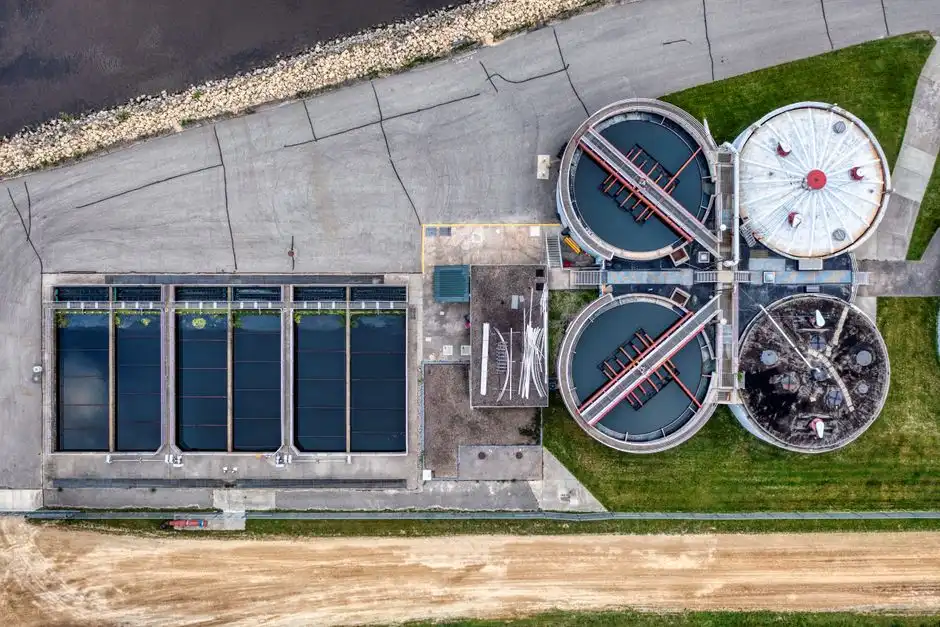
A comprehensive aerial perspective of a water treatment plant in Red Wing, Minnesota.
Licensed Licensed & Bonded
Fully Insured Insured & Bonded
24/7 Emergency Same-Day Response
Warranty Backed Workmanship Guaranteed

What Sewage Cleanup Includes

Sewage backup service covers assessment, controlled water extraction, removal of contaminated debris, cleaning and disinfection of salvageable surfaces, and moisture checks. We explain which materials can be treated and which need removal based on exposure and porosity. Structural repairs and replacement finishes follow cleanup and drying; we identify those needs without confusing them with the initial emergency response.

Source and Area Assessment

We locate the visible entry point, map how far wastewater traveled, and check nearby rooms and low spots. You receive a clear explanation of the affected boundary and the immediate steps needed to prevent additional water from spreading through your property.

Water and Debris Extraction

We pump standing sewage water and collect remaining liquid and loose debris with appropriate extraction equipment. Water removal includes careful work at edges and around obstacles, where residue can remain after the main pool is gone.

Material Removal Decisions

We assess carpet padding, drywall, insulation, and other porous items exposed to sewage. When a material cannot be cleaned reliably, we remove the affected portion and protect the route used to carry it out, limiting contact with unaffected rooms.

Surface Cleaning and Disinfection

We clean salvageable surfaces before applying an appropriate disinfectant. Product use follows label directions, including required contact time. This step targets contamination on accessible surfaces; it does not substitute for removing materials that have absorbed wastewater.

Moisture Checks and Drying

After cleanup, we measure moisture in affected building materials and use drying equipment where appropriate. We track readings over time and explain whether subflooring, baseboards, or nearby wall areas still need attention before repairs begin.

Sewage Backup Water Removal in New Jersey


Sewage Backup Water Removal in New Jersey is an emergency contamination-control service that extracts wastewater and treats affected building materials after a sewer or drain backup. We first identify the source and affected boundary, then use pumps and extraction equipment to remove standing water. Technicians wear personal protective equipment, establish containment where needed, and clean and disinfect salvageable surfaces. Porous materials such as saturated carpet padding, insulation, or water-damaged drywall often need removal because contaminants can remain below the visible surface.

Older sewer connections, heavy rain, coastal and tidal flooding, and overloaded basement drains create different backup conditions across the state. If wastewater reaches a finished basement, quick action helps limit damage to flooring, belongings, and wall cavities. Our New Jersey sewage water extraction approach includes locating hidden moisture with a moisture meter and checking enclosed areas before drying begins. If you are searching for emergency extraction of contaminated basement water, we remove the water first, then address the contaminated surfaces and materials.

What Happens During Cleanup

Sewage backup cleanup in New Jersey follows a controlled sequence: assess the source, isolate contamination, extract, clean, and verify drying. We explain each work phase as it happens, so you know which rooms are accessible and what materials require removal. A straightforward extraction may take several hours; demolition and drying add time based on the affected area.

01

Schedule

Call or book online — a real human picks up and confirms a 2-hour arrival window.

02

Diagnose

Licensed tech inspects on-site, then walks you through the cause and your options.

03

Fix

The job is completed to code and done right the first time — no shortcuts, no surprises.

04

Guarantee

Every job backed by a written workmanship warranty — and we stand behind it.

Equipment and Cleanup Methods

Tools & Equipment

Submersible pump

We use a submersible pump to remove deeper standing water from low areas such as basement floors and sump pits. Its role is bulk extraction before detailed surface cleaning begins.

Truck-mounted water extraction unit

A truck-mounted water extraction unit supports high-volume removal where access allows. We use it to clear substantial water efficiently, then switch to smaller equipment around edges and obstacles.

Moisture meter

A moisture meter checks affected materials beyond what looks wet. We compare readings at floor edges, baseboards, and exposed subflooring to guide drying and identify concealed dampness.

HEPA air scrubber

A HEPA air scrubber supports controlled work when airborne particles or odors need management within a contained area. We position it as part of the work-zone setup, not as a substitute for removing contamination.

Commercial dehumidifier

A commercial dehumidifier removes moisture from the air during drying after contaminated materials are addressed. We pair it with suitable air movement and monitor the affected area rather than relying on a fixed run time.

Methods & Standards

Controlled contamination boundary

We separate affected and unaffected areas before moving equipment or waste. Containment plastic sheeting and a planned work route help reduce cross-contamination. Technicians wear personal protective equipment and keep contaminated tools and debris within the designated zone until they are safely handled.

Extraction before disinfection

We remove standing water and loose soil before cleaning surfaces. Disinfectant works only when used on appropriately prepared surfaces and according to its label, including contact time. This sequence prevents a thin layer of product from being applied over pooled water or visible residue.

Porous material evaluation

We inspect porous materials based on exposure, saturation, and whether the contaminated section can be removed completely. Carpet padding and water-damaged drywall often require removal after sewage contact, while suitable hard surfaces can be cleaned and treated. The decision protects the cleanup result rather than preserving materials at any cost.

Measured structural drying

Once contaminated materials are removed and cleanable surfaces are treated, we use air movers and dehumidification where appropriate. Moisture readings guide equipment placement and duration. We recheck affected areas instead of assuming the room is dry because the surface feels dry underfoot.

When to Call for Cleanup

01

A basement floor drain overflows after a storm and wastewater spreads beneath stored items.

What we do: We assess whether the water is sewage-contaminated, set a work boundary, and pump the standing water. Then we remove affected debris, inspect floor edges and nearby materials, and disinfect salvageable surfaces. You receive an explanation of what needs drying or replacement.

→ The contaminated water and debris are removed through a controlled route, reducing further spread and leaving the basement ready for monitored drying and repair.

02

A toilet or sewer line backs up into a bathroom and reaches the hallway flooring.

What we do: Our technicians isolate the affected route and extract water from the bathroom and adjoining floor. We assess grout, flooring, baseboards, and any porous materials exposed to sewage. Cleaning and disinfection follow extraction, with material removal where contamination has penetrated beyond a cleanable surface.

→ The affected rooms receive a defined cleanup boundary, and you know which surfaces are cleanable before regular use resumes.

03

A sump pump fails during heavy rain and a basement backup mixes with drain water.

What we do: We identify the water source and treat mixed or uncertain water conservatively until its contamination level is clear. Pumps remove bulk water; technicians then check the sump area, wall edges, and stored contents. Cleanup includes debris handling and disinfection when sewage contact is present.

→ The basement is cleared of standing water and assessed for contaminated materials, helping you plan the remaining drying and any pump or plumbing repairs.

New Jersey Sewage Cleanup Conditions

New Jersey buildings present varied access and water-entry conditions. Older homes may have narrow basement stairs, aging floor drains, and finished lower levels where water travels beneath flooring before it becomes visible. Dense apartment and commercial buildings also require careful equipment routes through shared halls and utility spaces. We plan containment around the layout, not just the room where water first appeared. November brings colder conditions, and winter freezes can stress plumbing while heavy rain can load storm drains and basements. In spring and summer, intense rainfall and coastal or tidal flooding can push water toward low-lying properties. Our New Jersey sewage water extraction work starts by distinguishing a sewage backup from other floodwater and identifying whether the source remains active. For who handles sewage-contaminated floodwater removal, our crew extracts, contains, and cleans affected areas while keeping material decisions tied to actual exposure. Local building and contractor requirements vary by project; we follow applicable New Jersey contractor registration requirements and product-label directions.

Neighborhoods We Serve

  • East Orange

    Older residential basements and shared building systems call for careful inspection around floor drains, utility penetrations, and adjoining rooms.

  • Sayreville

    Heavy-rain events can leave lower-level spaces vulnerable; we check sump areas and low points as well as the visible water line.

  • Westfield

    Finished basements need a close look at carpet edges, wood flooring, and baseboards where wastewater can travel out of sight.

  • Carteret

    Low-lying properties require attention to stormwater and drainage conditions, especially when sewage and rainwater may have mixed.

Local Conditions We Plan For

  • Cold-weather pipe stress and frozen-line failures

    Winter conditions can contribute to burst pipe flooding or place extra demand on basement drains. We identify whether sewage is involved before choosing protective measures, then extract water and inspect affected wall and floor materials for hidden moisture.

  • Heavy rain and coastal or tidal flooding

    Floodwater entering through low openings may mix with drain or sewer discharge, changing the cleanup requirements. We assess the source, protect clean areas, and handle affected porous materials according to their contact with contaminated water.

  • Older basements and tight equipment access

    Narrow stairs, low headroom, and finished rooms can complicate pump placement and waste removal. We plan the equipment route and containment before extraction so contaminated debris does not pass through clean living areas.

Finished Basement Drain Backup

Before

A floor drain backed up across a finished basement, leaving about 2 inches of contaminated water over roughly 300 square feet. Carpet and padding were wet at the edges, boxes sat on the floor, and the homeowner could not tell whether water had reached the drywall behind the baseboards.

After

We extracted the standing water, removed contaminated padding and affected lower drywall, and cleaned and disinfected salvageable surfaces. Moisture checks identified dampness at two wall edges, which guided targeted drying. The basement moved from a visibly contaminated room to a contained, cleaned space prepared for repairs.

Maintenance: Keep floor drains clear and test sump equipment before wet-weather seasons. Store boxes on shelving rather than directly on a basement floor, and call promptly if wastewater returns or a new water line appears.

Before

A sewer backup left wastewater across a 180-square-foot utility room in an occupied building. Staff had tracked dampness toward the corridor before the area was identified, and debris collected near a floor drain and equipment bases.

After

We isolated the room, removed standing water and loose debris, and cleaned the affected hard surfaces. The corridor route was protected during equipment movement, and moisture readings confirmed the floor had dried before access was restored. The building manager received a clear list of affected materials and next repairs.

Maintenance: Keep utility-room drains accessible and avoid storing cartons or supplies on the floor. After a backup, restrict access immediately and notify building maintenance so the source can be stopped before cleanup begins.

Before

A failed sump pump allowed water to rise around the basement perimeter, and a nearby drain contributed sewage contamination. About 1 inch of water reached the bottom of stored belongings, with dampness visible along several baseboards.

After

We pumped the water, removed contaminated items, and inspected the perimeter for moisture migration. The crew treated cleanable surfaces and identified two sections of baseboard and drywall for removal. The affected area was left ready for monitored drying and follow-up repairs.

Maintenance: Have sump equipment checked routinely and keep discharge paths clear. Store belongings above floor level, and treat any drain backup as contaminated until the water source and condition are established.

Problems Solved by Expert Extraction

A sewer backup can leave contamination in places that are easy to miss: beneath flooring, behind baseboards, and around utility penetrations. We address the water and the affected materials, not only the visible puddle. Acting early limits ongoing contact and gives you a clearer path from emergency cleanup to repairs.

Problem

Sewage-soaked carpet and padding in a finished basement

Wastewater can remain trapped below the carpet surface, causing persistent odor and exposing anyone who walks across the room. Delayed removal also keeps the subfloor damp.

Our Fix

We extract pooled water, lift affected carpet where needed, and inspect the padding and subflooring. Contaminated padding is removed rather than masked with deodorizer. We then clean salvageable flooring, disinfect appropriate surfaces, and monitor moisture so you know what can be retained and what needs replacement.

Problem

Overflow from a floor drain reaching stored belongings

Boxes, fabrics, and personal belongings absorb contaminated water quickly. Moving them through clean rooms can spread residue and create a second cleanup area.

Our Fix

We establish a controlled route and separate affected contents from clean belongings. Our technicians remove contaminated debris and identify items that can be cleaned safely. We extract water from the floor and inspect adjacent walls and storage areas, giving you a practical inventory of affected materials before the room is dried.

Problem

Hidden moisture left behind after the visible water is gone

Water can wick into baseboards, lower drywall, and subflooring after the floor appears dry. Trapped moisture raises the risk of material deterioration and secondary mold growth.

Our Fix

We check more than the open floor. A moisture meter helps locate damp areas at edges and around penetrations, while targeted removal exposes concealed wet materials when necessary. After cleaning and disinfection, we use controlled drying and recheck readings before the affected area is considered ready for repairs.

Safer, Faster Recovery

Safer, Faster Recovery

A sewage backup leaves more than a wet floor: it can contaminate porous materials, carry debris into adjoining rooms, and create persistent odor. We control the affected area and prioritize extraction, cleaning, and drying in that order. You get a clear sequence of work and practical information about which surfaces can be cleaned and which need removal.

  • Containment Before Cleanup

    We establish a work boundary before moving equipment or debris through your property. Containment plastic sheeting helps limit cross-contamination between an affected basement and clean living areas. Our technicians use personal protective equipment and handle contaminated waste carefully, so the cleanup does not track sewage onto stairs, hallways, or other floors.

  • Standing Water Removed

    A submersible pump or portable water extraction pump removes bulk water, while a wet/dry vacuum handles remaining water near edges and obstacles. Removing standing water promptly helps protect subflooring and nearby wood flooring from prolonged contact. We check low points, utility spaces, and floor drains rather than stopping when the open floor looks dry.

  • Contamination Treated

    After extraction, we clean affected surfaces and apply an appropriate disinfectant according to its label directions. Our sewage backup cleanup New Jersey work distinguishes hard, cleanable surfaces from porous materials that have absorbed wastewater. That decision matters: treating a contaminated carpet pad as though it were sealed tile leaves the source of odor and contamination in place.

  • Drying Verified

    We track remaining moisture instead of relying on touch alone. A moisture meter helps compare affected materials with dry reference areas, and air movers support controlled drying after contaminated material is removed. You receive a practical picture of what is dry, what still needs attention, and which repairs should follow.

Training and Work Standards

Licensed & Certified

  • Water Damage Restoration Technician training — issued by IICRC
  • Applied Structural Drying training — issued by IICRC
  • Applied Microbial Remediation Technician training — issued by IICRC
  • Hazard Communication Standard — issued by OSHA

Verified Reviews

Customer feedback Not stated

A homeowner in East Orange described a basement drain backup that soaked carpet and padding. The crew contained the work area, extracted the water, and explained which materials needed removal. Moisture checks helped the owner understand why drying equipment remained after the visible water was gone.

Customer feedback Not stated

A property manager in Harrison reported a utility-room overflow after heavy rain. The cleanup team protected the route through the building, removed wastewater, and treated the hard surfaces. The manager valued having affected materials and follow-up repairs clearly identified.

Customer feedback Not stated

A Sayreville homeowner said a failed sump pump and nearby drain backup left water around stored belongings. The crew pumped the basement, removed contaminated items, and checked the baseboards for moisture. The owner appreciated a step-by-step explanation of cleanup and drying.

Sewage Cleanup Know-How

Sewage work requires more than pumping water: the crew must control exposure, choose materials for removal, and prevent contaminated equipment from crossing into clean areas. Our technicians use established water-damage and microbial-remediation practices, with procedures shaped by the material, water depth, and building layout. We do not claim a credential that does not apply to a specific technician; we explain the relevant training and work plan before cleanup starts. You get a clear distinction between extraction, disinfection, structural drying, and repairs.

  • Technicians trained in IICRC Water Damage Restoration Technician principles assess moisture migration and document affected building materials.
  • Applied microbial remediation practices guide containment, cleaning, and controlled handling of contaminated porous materials.
  • Our crew follows OSHA Hazard Communication Standard practices for identifying and handling cleaning products.
  • Disinfectants are selected and applied in line with EPA-registered disinfectant label compliance, including contact time.
  • We plan around real scenarios: sewer line backups, burst pipe flooding, sump pump failure, and stormwater intrusion.
Get Started Today
Sewage Cleanup Know-How

Cities We Serve in New Jersey

We provide sewage backup response across New Jersey, adapting extraction equipment and containment to each building and access route. From urban basements to homes affected by heavy rain, our service addresses contaminated water, affected materials, and the drying that follows. We serve East Orange, Sayreville, Westfield, Carteret, and Harrison, as well as communities throughout the state. Our sewage backup cleanup New Jersey service starts with the source and the water boundary, so the response fits the property rather than a one-size-fits-all checklist.

Sewage Backup Questions

Real answers to the questions we hear most often from local homeowners and property managers.

Who provides sewage backup cleanup in New Jersey?
New Jersey Water Extraction Pros provides sewage backup cleanup in New Jersey for residential and commercial properties. Call +18668968166 and describe the affected rooms, approximate water depth, and whether sewage is still entering. Our crew assesses the contamination boundary, extracts standing water, and cleans affected surfaces. If a plumber has already stopped the source, tell us; otherwise, we help you identify the immediate next step to prevent more wastewater from entering.
Is sewage backup water dangerous to remove without protective equipment?
Yes; sewage water can contain harmful microorganisms, so do not enter or handle it without suitable protective equipment. Keep children and pets away, avoid contact with wet belongings, and do not use a household vacuum. Our technicians use protective gear and controlled handling practices, then separate contaminated porous materials from cleanable surfaces. If sewage has reached electrical outlets or appliances, stay clear and have the hazard addressed before entering the affected area.
How quickly should contaminated water be extracted?
Start extraction as soon as the sewage source is stopped and the area is safe to enter; the first 24 hours are especially important for limiting material damage. Do not delay to move belongings through contaminated water. We remove standing water, inspect hidden moisture, and determine which materials require disposal. Extraction time ranges from a few hours for a small accessible area to longer when water is deep, debris-filled, or spread across several rooms.
Does sewage backup cleanup include disinfection?
Yes, cleanup includes cleaning and disinfecting salvageable affected surfaces with a product applied according to its label directions. Disinfection follows extraction and removal of contaminated porous materials; it cannot make saturated carpet padding or drywall safe by itself. Our New Jersey sewer backup cleanup and disinfection work also checks corners, floor edges, and other places where residue can remain. Drying and reconstruction are separate stages, and we explain what your property needs next.

More Water Damage Services

Emergency Water Extraction

When sewage has spread beyond one room, emergency extraction removes standing water before it migrates farther into flooring and wall cavities. We select pumps based on depth and access, then inspect the affected boundary. This service works alongside sewage cleanup but does not replace contamination control or disinfection.

View Emergency Water Extraction

24/7 Water Removal

A backup at night or during a weekend can keep wastewater in contact with floors for hours. 24/7 Water Removal gives you a way to begin the response promptly, including initial extraction and containment. We focus on the immediate water problem first, then establish the cleanup sequence for contaminated materials.

View 24/7 Water Removal

Flood Water Removal

Floodwater can enter through a basement window, foundation opening, or drain and mix with sewage. Our Flood Water Removal service extracts the water and assesses whether the source is clean, storm-related, or contaminated. That distinction determines protective measures, what can be salvaged, and which cleaning steps follow.

View Flood Water Removal

Basement Water Removal

Basement Water Removal addresses water collecting below grade, including sewage from a floor drain, sump pump failure, or storm-related intrusion. We pump the standing water, check low areas and storage spaces, and assess damage to flooring and drywall. If contamination is present, we add controlled cleanup and disinfection.

View Basement Water Removal

Standing Water Removal

Standing Water Removal clears pooled liquid from floors, utility rooms, and other low points. In a sewage event, removing water is the first physical step, followed by contamination-specific cleaning. We match pumping equipment to water depth and access so the cleanup can proceed without dragging contaminated debris through clean rooms.

View Standing Water Removal

Residential Water Extraction

Residential Water Extraction helps homeowners recover after a sewer backup affects a finished basement, laundry room, or bathroom. We protect the route through the home, extract water, and inspect affected materials. Your plan addresses both contamination and moisture, including whether carpet padding, baseboards, or drywall need removal.

View Residential Water Extraction

Call for Sewage Backup Water Removal

Sewage in your home or business needs controlled extraction and cleanup, not a household vacuum. Call New Jersey Water Extraction Pros at +18668968166 and tell us where the water is, how deep it is, and whether the source has stopped. Our technicians follow protective handling procedures.

Call Now Call for Help

Contact Our Referral Team

Call New Jersey Water Extraction Pros at +1 866-896-8166 any time to report a leak, flooded basement, or stormwater problem. Our referral line is open 24/7, and we connect you with independent companies serving New Jersey communities. Tell us the source of the water and your location so we can direct your request to a local provider.

Or call us right now at +18668968166 — we answer.

New Jersey Water Extraction Pros


  • Phone

    +18668968166
  • Address

    New Jersey

  • Hours

    Mon–Fri: 7AM – 7PM
    Sat: 8AM – 4PM
    Sun: Emergency Only
    24/7 Emergency Available

Call +18668968166 Get Quote
Call Quote