Residential Water Extraction for Newark Homes
Newark homes range from apartments and attached houses to larger detached properties, and each layout changes how water travels. A leak above a finished room can move through a ceiling, while a failed appliance can soak kitchen flooring and cabinets. Our residential crew removes water, checks the wet footprint, and helps you protect belongings that remain outside the affected area. For water removal services in Newark, New Jersey, we plan around family routines, shared entrances, pets, and access to the main shutoff. We also look beyond visible staining: carpet padding, baseboards, and lower drywall can hold water after the surface is vacuumed. You get direct updates about what we found and what the next drying check will cover.
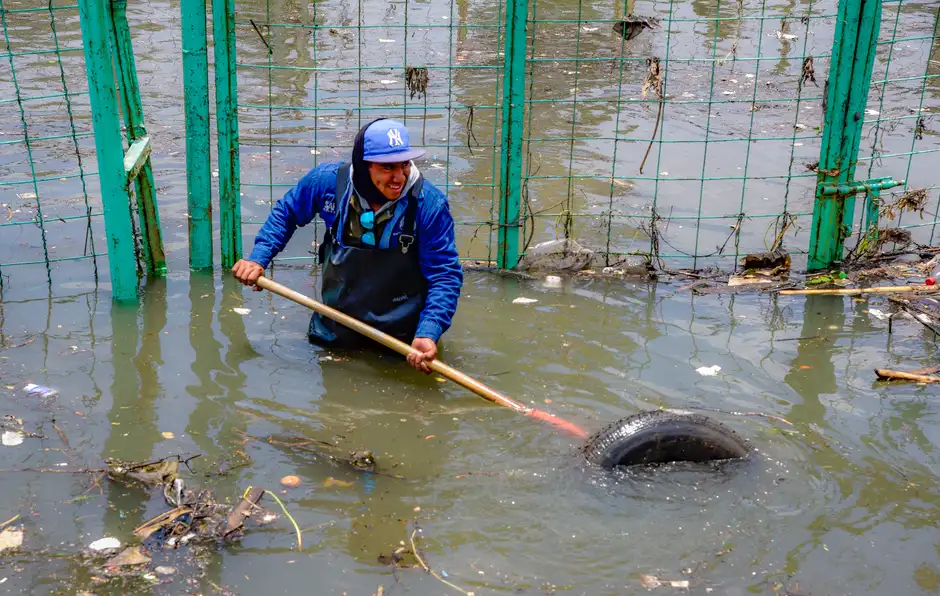
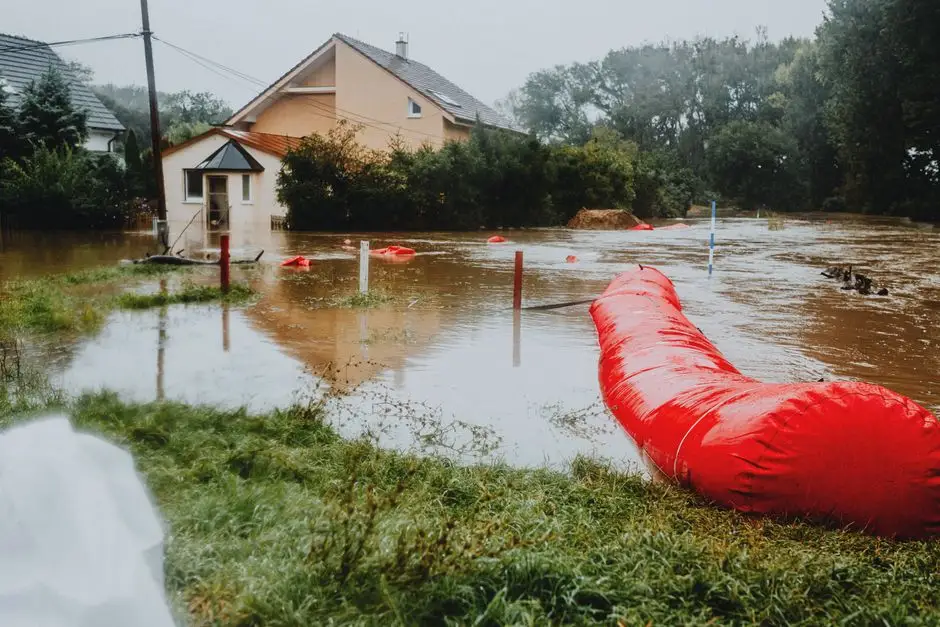
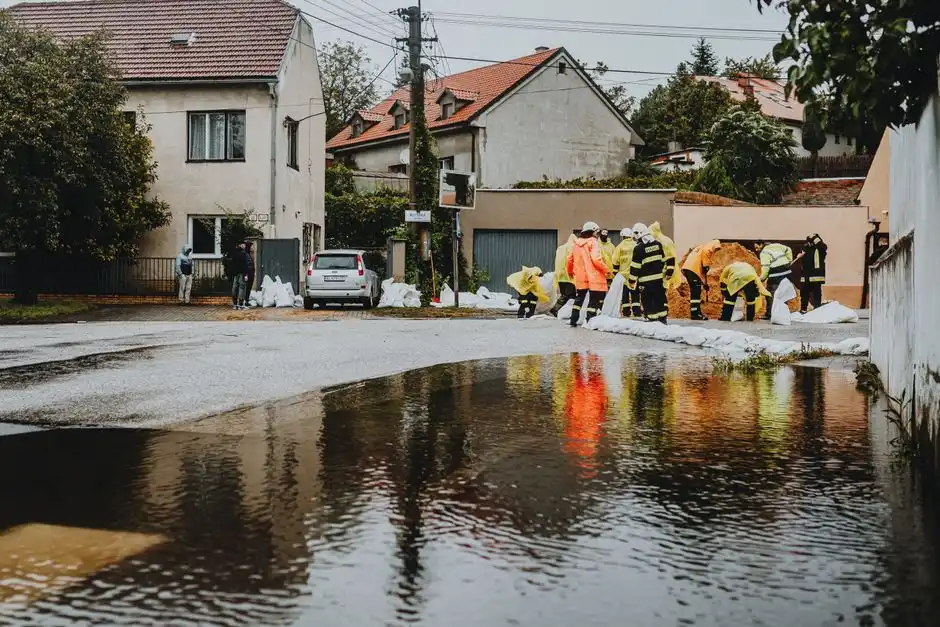
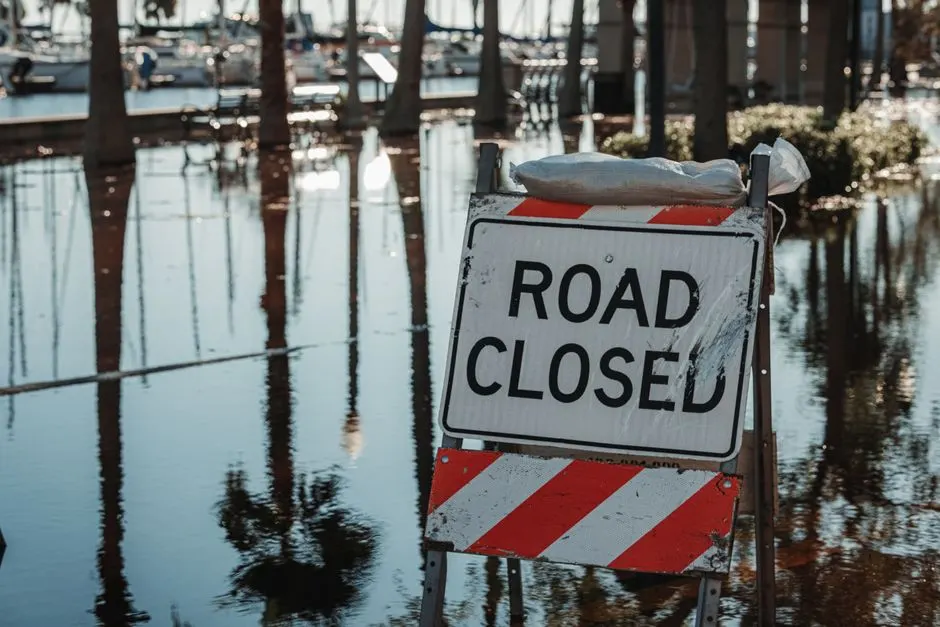
- Basement and sump-pump flooding — We pump standing water from Newark basements after seepage, heavy rain, or sump pump failure. Once the bulk water is out, we inspect lower walls and stored belongings, then measure damp areas to guide drying. Keep away from electrical hazards and tell us if water is still entering.
- Pipe and appliance leak extraction — A burst pipe, washing-machine hose, or water heater leak can affect more than the room where it started. We remove pooled water, check adjoining flooring and wall edges, and use moisture readings to determine whether hidden materials need further drying. We coordinate the mitigation sequence with the repair of the source.
- Carpet and flooring water removal — Wet carpet can conceal saturated padding and water beneath the floor finish. In Newark homes, we inspect the carpet edges and underlying materials before deciding what can be dried in place. Extraction and targeted airflow help address the wet area while keeping unaffected rooms and walk paths clear.
- Contaminated water cleanup — A drain or sewage backup requires controlled cleanup, not ordinary household mopping. We restrict access, remove affected water and materials as needed, and use protective procedures for Newark residences. Cleaning products are applied according to label directions, and the drying plan follows the condition of the remaining structure.