Logo
Get Estimate

Storm and Rainwater Extraction in New Jersey

We pump stormwater out and protect your home from further damage.


Storm and Rainwater Extraction in New Jersey helps homeowners and property managers remove floodwater before it damages more flooring, walls, and belongings. Our crew pumps standing water, checks hidden moisture, and starts structural drying after intense rain, basement seepage, or coastal flooding. If water is entering your home now, call us for emergency help; quick extraction reduces the time wet materials remain in place.

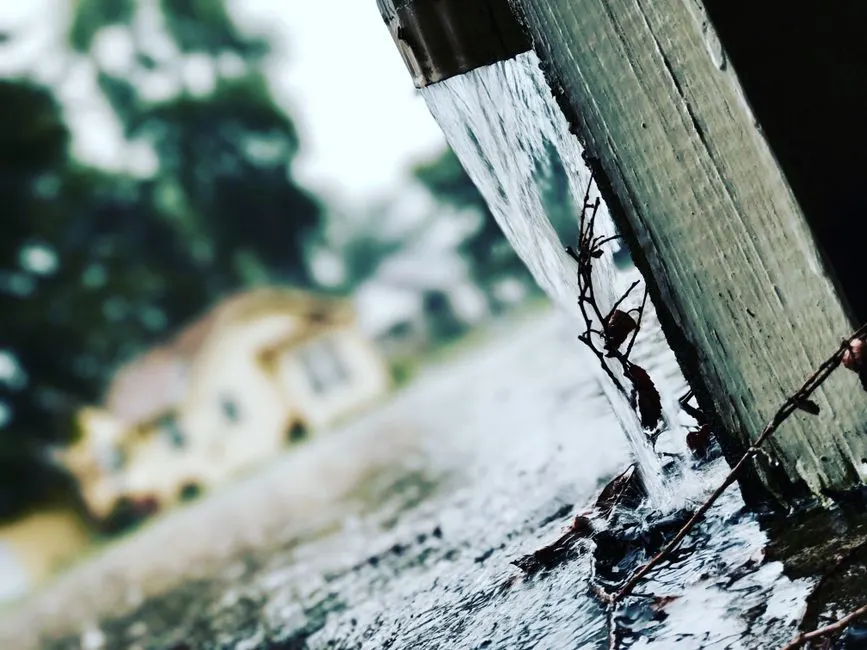
Close-up of rainwater flowing from a gutter during a storm, capturing the essence of rainy weather.
Licensed Licensed & Bonded
Fully Insured Insured & Bonded
24/7 Emergency Same-Day Response
Warranty Backed Workmanship Guaranteed

What's Included in Stormwater Cleanup

Storm and rainwater cleanup covers assessment, water extraction, appropriate surface cleaning, and moisture checks in affected areas. We explain the work based on what the water reached: hard flooring, carpet and padding, drywall, or belongings. Drying equipment is used when readings show it is needed. Reconstruction, replacement materials, and unrelated plumbing or drainage repairs are separate tasks, but we identify visible concerns during the cleanup and explain the next practical step.

Water Source Assessment

We identify where stormwater entered and check whether it is still coming in. The technician notes affected rooms, water depth, and potential hazards before choosing equipment. This helps distinguish rainwater intrusion from a sewage backup or plumbing leak, which changes the cleanup precautions.

Standing Water Extraction

We pump or extract pooled water from accessible floors and low spots using equipment suited to the depth and surface. After the main water is removed, we make additional passes along edges and around floor transitions where residual water can remain.

Material Moisture Checks

We check materials around the visible flood area, including baseboards and accessible flooring, with a moisture meter. These readings help locate damp areas that are not obvious by sight and guide where air movement or dehumidification is useful.

Cleaning and Drying Setup

We clean affected surfaces using methods appropriate to the water condition, then position air movers or dehumidification equipment when needed. You receive an explanation of what the setup is meant to dry and how progress will be checked.

Storm and Rainwater Extraction in New Jersey


Storm and Rainwater Extraction in New Jersey is an emergency water-restoration service that removes storm-driven water from buildings and begins drying wet materials. We inspect the affected rooms, identify safe access points, and use pumps or extraction equipment suited to the water depth and floor type. A moisture meter helps us check drywall, baseboards, carpet padding, and subflooring beyond the visible puddle. We then document affected areas, remove water, and set drying equipment where readings show moisture remains. The goal is to limit secondary damage and return your space to a dry, usable condition.

Heavy rain can overwhelm yard drainage, push water through foundation openings, or expose a sump pump failure in a finished basement. Coastal and tidal flooding bring different water conditions than ordinary rain, so our technicians assess the source before choosing a cleanup method. Our New Jersey stormwater extraction work addresses flooded basements, ground-floor rooms, and commercial spaces; a storm and rainwater extraction service in New Jersey is especially useful when water is still spreading or has soaked porous materials. We also watch for sewage backup, which requires separate handling from clean rainwater.

What Happens During Cleanup

Storm and rainwater cleanup follows a practical sequence: make the area safe, remove water, identify what is wet, and dry or clean affected materials. We explain each step before work begins and keep you informed as the condition of your rooms changes.

01

Schedule

Call or book online — a real human picks up and confirms a 2-hour arrival window.

02

Diagnose

Licensed tech inspects on-site, then walks you through the cause and your options.

03

Fix

The job is completed to code and done right the first time — no shortcuts, no surprises.

04

Guarantee

Every job backed by a written workmanship warranty — and we stand behind it.

Equipment and Drying Methods

Tools & Equipment

Truck-mounted water extraction unit

Moves substantial water from accessible areas and supports efficient extraction across larger residential or commercial spaces after storm flooding.

Submersible pump

Removes deeper standing water from basements and low areas before detailed extraction and surface cleanup begin.

Moisture meter

Measures moisture in accessible building materials and helps the crew identify damp areas beyond the visible water line.

Air mover

Improves air circulation across wet surfaces as part of a controlled drying setup, with placement adjusted to the room and material.

Commercial dehumidifier

Removes moisture from the room air during structural drying and supports progress checks alongside material readings.

Methods & Standards

Source and water assessment

We establish where the water came from and whether it may be contaminated before selecting cleaning steps. The assessment includes water depth, affected materials, and immediate hazards. Stormwater from an exterior source is not automatically treated like a plumbing leak, and sewage exposure requires more protective handling.

Progressive extraction

We remove deep water first, then make additional passes over remaining wet surfaces and edges. This staged approach is useful when water covers multiple rooms or has reached carpet and floor transitions. We then check for moisture migration rather than stopping when the surface looks dry.

Measured structural drying

We place air movers and dehumidification equipment according to affected materials and readings, then revisit those readings to track change. Drying times vary with humidity, temperature, airflow, and material type. Equipment placement changes when the readings or room conditions show the original setup is no longer effective.

Protective cleaning

When water contains debris or contamination, we choose cleaning and protective measures for the exposure rather than using a single method for every flood. Our technicians use personal protective equipment and follow product-label directions for any disinfectant used on affected surfaces.

When to Call After a Storm

01

Rainwater is actively entering a basement through a window well during a nighttime downpour.

What we do: Call while the water is still spreading. We check immediate hazards, identify the entry area, and begin pumping or extraction based on the water depth. Once the influx is controlled, we inspect nearby flooring, stored items, and wall edges for moisture that could remain after the floor looks clear.

→ The water is removed sooner, affected areas are mapped, and you know which materials need drying or further attention.

02

A sump pump stops during heavy rain and leaves several inches of water across a finished basement.

What we do: We use a submersible pump for deeper water, then extract remaining water from accessible floor surfaces. Our team checks carpet, baseboards, and wall edges, and we set drying equipment if readings show retained moisture. Keep electrical equipment out of standing water until the area is assessed.

→ The basement is cleared in stages, with a drying plan based on wet materials rather than a visual guess.

03

A commercial suite has water across its entry and customer area after a storm drains into the building.

What we do: We assess the route water took and plan extraction around access and equipment. Our crew removes pooled water, checks adjacent spaces, and positions drying equipment without blocking more of the building than necessary. We also identify whether the water source requires special cleaning measures.

→ You receive a clear account of affected areas and a practical sequence for reopening rooms as conditions allow.

How Storm Cleanup Works Across New Jersey

Stormwater service across New Jersey has to account for varied buildings and weather exposure. In November, sustained rain and saturated ground can push water toward foundations; spring downpours and summer thunderstorms bring short, intense runoff, while coastal properties also face tidal flooding and wind-driven rain. Older basements may have stone or masonry foundations, while renovated spaces can conceal insulation and finished drywall behind the visible water line. We check the building and water source before selecting equipment. In dense areas, access routes and shared entries affect where hoses and drying units can go; in suburban homes, sump systems, window wells, and stored basement contents are common concerns. Our storm floodwater removal service includes a moisture check beyond the first puddle, and rainwater extraction and structural drying after a storm are planned around the materials actually affected. We also explain when building repairs or drainage work are separate from water cleanup. New Jersey contractor registration requirements may apply to construction and repair work beyond extraction, so we keep restoration tasks distinct from building alterations.

Neighborhoods We Serve

  • Downtown Camden

    Tight street access and shared building entries can influence where extraction equipment is staged. We plan hose routes to reach affected lower floors without blocking more access than necessary.

  • Hackensack residential blocks

    Finished basements and low window wells can take on water during prolonged rain. We check floor edges and wall bases after the visible pool is removed.

  • Princeton village areas

    Older homes and renovated interiors can have different foundation and finish materials. We assess each affected surface before choosing extraction and drying methods.

Local Conditions We Plan For

  • Saturated ground drives seepage through basement walls

    Water can enter at joints and floor edges even without a dramatic flood. We inspect the perimeter and check nearby materials, because moisture may extend beyond the area where water first pooled.

  • Coastal and tidal flooding brings debris into low spaces

    Water quality and debris affect protective measures and cleaning choices. We assess the source before treating a coastal flood as ordinary rainwater, then identify materials that need special handling.

  • Heavy downpours overwhelm window wells and sump systems

    A fast rise in basement water can soak stored items and finished flooring before the pump is noticed. We prioritize safe pumping and inspect nearby walls and floor transitions afterward.

Basement After Prolonged Rain

Before

A homeowner in Camden found roughly 2 inches of water across a finished basement after rain pushed through a window well. Carpet edges were wet, storage boxes sat in the puddle, and the wall base looked dry from across the room. Water had already reached several floor transitions.

After

Our crew pumped out the standing water, extracted the carpet surface, and checked the wall edges and nearby flooring. The water level fell to zero, and drying equipment was positioned at the damp areas. Follow-up readings over the next several days showed the affected surfaces moving toward dry conditions.

Maintenance: Keep window wells clear of leaves and check the sump system before forecast heavy rain. Move stored cardboard off the floor and note any recurring seepage so the next inspection can focus on the same entry points.

Before

A small business in Hackensack found rainwater across its entrance and into an adjoining room after a downpour. Staff had pushed water toward the doorway, but moisture remained beneath a floor mat and along the baseboard. The room could not reopen safely without a closer check.

After

We extracted pooled water, lifted the wet mat, and checked the floor edge and baseboard with a moisture meter. The crew set air movement and dehumidification for the affected area, then returned to review readings. The main walkway was cleared while the damp zone continued drying.

Maintenance: Remove entry mats to dry after heavy rain and inspect door thresholds for gaps or failed seals. Keep floor-level inventory away from exterior doors, especially when runoff gathers near the building.

Before

A Princeton homeowner discovered water after the sump pump stopped during a storm. Several inches covered the utility-side floor, with water reaching stored belongings and the edge of the finished room. The family shut off access to the wet area while waiting for extraction.

After

We removed deeper water with a submersible pump, then extracted residual water along the floor and room transition. A moisture check identified damp material near the finished wall, so drying equipment was set there. The visible water was cleared, and the homeowner received a progress update based on readings.

Maintenance: Test the sump pump before wet-weather seasons and keep its discharge route clear. Store valuables on shelving rather than directly on the basement floor, and address repeated pump cycling or unusual sounds promptly.

Solutions for New Jersey Storm Flooding

Rainwater problems often spread beyond the first puddle. Water can move beneath flooring, soak wall edges, and leave damp insulation behind a finished surface. We focus on removing the water and locating affected materials so you can address the cause and damage before the next downpour.

Problem

Basement seepage leaves water pooling along finished walls

Water can wick into drywall, baseboards, and carpet padding, leaving hidden moisture after the visible puddle is gone. Delayed drying raises odor and mold concerns.

Our Fix

We extract pooled water and inspect accessible wall and floor edges with moisture readings. Our crew notes which materials remain wet, sets drying equipment where appropriate, and explains whether affected porous materials need additional treatment or removal.

Problem

Sump pump failure floods storage and finished rooms

A failed pump during sustained rain can leave water across a basement floor, soaking stored belongings and increasing moisture in nearby flooring and walls.

Our Fix

We assess water depth and safe access, then use a submersible pump or extraction equipment to clear the area. We check vulnerable materials after pumping and help separate wet belongings from items that stayed dry, so you can prioritize cleanup.

Problem

Rainwater enters through a low doorway or window

Water can spread quickly across a ground floor and travel into adjoining rooms, under rugs, and along floor joints before the entry point is noticed.

Our Fix

We remove standing water, trace the affected footprint, and check adjacent flooring and trim. If water is still entering, we identify the immediate concern and coordinate the cleanup sequence around the entry area rather than treating only the largest puddle.

Problem

Stormwater mixes with sewage or outdoor debris

Contaminated water can expose occupants and make ordinary household cleaning unsafe, particularly when it contacts porous materials or personal belongings.

Our Fix

We assess the source and use protective measures suited to the exposure. Our technicians separate contaminated items, clean affected surfaces with appropriate products, and explain which materials require disposal or further remediation instead of routine drying.

A Dry Space, Less Damage

A Dry Space, Less Damage

Stormwater left on a floor can migrate into trim, wall cavities, and subflooring. We focus first on getting water out, then on identifying wet materials that still need attention. You get a clear sequence of work, practical updates, and a safer path back to normal use.

  • Faster Water Removal

    A truck-mounted water extraction unit or submersible pump moves standing water more efficiently than household cleanup tools. We choose equipment for the depth, room access, and affected surface, then follow with detailed extraction at carpet edges and low spots. That reduces the amount of water left to wick into baseboards and nearby rooms.

  • Moisture Beyond Sight

    Water can travel beneath carpet and carpet padding or collect behind a finished wall. We use a moisture meter to compare readings in wet and unaffected areas, so you know where drying is still needed. Finding those damp pockets early helps reduce the risk of odors and secondary mold growth.

  • Safer Cleanup Decisions

    Stormwater can carry soil, debris, or contaminants from outside. Our technicians assess the water source, wear personal protective equipment, and separate affected materials when conditions call for it. If the water is contaminated, we use appropriate cleaning steps rather than treating every flooded room as ordinary rainwater.

  • A Measured Drying Plan

    We place air movers and a commercial dehumidifier according to the room layout and moisture readings, not by guesswork. You receive progress checks as materials dry, with equipment adjusted when readings change. That keeps the drying process focused on your property instead of relying on a fixed number of days.

Field Knowledge and Training

Stormwater cleanup takes more than a pump: the crew must distinguish rainwater from contaminated water, find moisture beyond the visible puddle, and dry materials without creating new damage. Our technicians use established restoration practices and equipment suited to residential and commercial buildings. Training such as IICRC Water Damage Restoration Technician and Applied Structural Drying coursework supports sound decisions about extraction, drying, and documentation. We do not claim a fixed number of years in business; our work is guided by the conditions at your property and the standards appropriate to the job.

  • We assess the source and category of water before selecting cleanup and protective measures for the affected rooms.
  • Moisture readings help track drywall, flooring, and subfloor conditions as drying progresses.
  • Our crew separates stormwater cleanup from sewage backup work when the source indicates contamination.
  • Technicians use personal protective equipment and follow OSHA Hazard Communication Standard practices for products handled on site.
  • We document affected areas and drying progress so you can follow what changed between site visits.
Get Started Today
Field Knowledge and Training

Stormwater Cleanup Questions

Real answers to the questions we hear most often from local homeowners and property managers.

Who provides stormwater extraction in New Jersey?
New Jersey Water Extraction Pros provides stormwater extraction across New Jersey, including emergency pumping and drying for homes and businesses. We assess the water source, remove standing water with suitable pumps, and check affected materials with moisture-measuring equipment. If flooding involves sewage or another contaminant, we adjust protective and cleaning procedures. Call +18668968166 and tell us where the water is, how deep it is, and whether it is still entering the building.
How soon should rainwater be removed after a storm?
Remove standing rainwater as soon as it is safe, ideally within 24 hours, to limit absorption and secondary damage. Wet carpet, drywall, and wood flooring can continue taking on moisture while water remains in contact. We first check for electrical hazards and the water source, then begin pumping and extraction. Drying commonly takes 2 to 5 days, with the exact duration guided by material readings, room conditions, and the amount of water.
Can heavy rain cause basement flooding in New Jersey?
Yes, heavy rain can flood New Jersey basements through foundation seepage, overwhelmed drainage, or sump pump failure. Water may also enter through below-grade windows or low doorways, especially when surrounding soil is saturated. We locate the visible entry area, pump out standing water, and check walls and flooring for hidden moisture. If the water carries sewage or other contamination, tell us before entering the area so we can plan appropriate precautions.
What does storm and rainwater removal include?
Storm and rainwater removal includes an initial safety and water-source check, pumping or extraction, surface cleaning where appropriate, moisture assessment, and a drying setup when needed. We may use air movers, dehumidification, and follow-up moisture checks to track progress. The work required depends on whether water reached carpet padding, drywall, insulation, or subflooring. Repairs to building materials are separate from the extraction and drying steps.

More Help for Water Damage

Emergency Water Extraction

When water is actively entering your home, emergency extraction gets the immediate pumping underway. We remove standing water from storm-damaged rooms, identify wet materials, and set the next steps for drying. Tell us whether the source is rainfall, a plumbing failure, or another cause so we can choose suitable precautions.

View Emergency Water Extraction

24/7 Water Removal

Storms do not follow business hours, and water can continue spreading while you wait. Our 24/7 Water Removal service addresses urgent standing water, including overnight basement flooding and rain entering a ground-floor room. We assess hazards first, then use extraction equipment suited to the amount of water and your access points.

View 24/7 Water Removal

Flood Water Removal

Flood Water Removal focuses on getting water out of affected rooms and identifying materials that need cleaning or drying. After a storm, we check whether floodwater came from rainfall, exterior drainage, or a contaminated source. That assessment guides the appropriate pumping, surface treatment, and follow-up moisture checks.

View Flood Water Removal

Basement Water Removal

Basement Water Removal targets below-grade flooding caused by heavy rain, seepage, or a failed sump pump. We pump standing water, check finished walls and floor edges, and establish drying where readings show moisture remains. You can also tell us about recurring water entry so the affected areas are easier to identify.

View Basement Water Removal

Standing Water Removal

Standing Water Removal clears pooled water from hard floors, carpeted rooms, and low areas after a storm. We use pumps or extraction tools based on water depth, then inspect nearby materials for moisture migration. Removing the visible water is the first step; drying and cleaning depend on what the water touched.

View Standing Water Removal

Residential Water Extraction

Residential Water Extraction is tailored to your home's rooms, belongings, and flooring. We work through storm-damaged areas in a practical order, moving water first and checking materials such as carpet padding, trim, and wood flooring. Our technicians explain which items can be dried in place and which need further attention.

View Residential Water Extraction

Call for Storm and Rainwater Extraction

If stormwater is spreading through your home or business, call New Jersey Water Extraction Pros at +18668968166. Our technicians assess the source, remove standing water, and explain the next drying steps. We provide upfront pricing before work begins.

Call Now Call for Help

Contact Our Referral Team

Call New Jersey Water Extraction Pros at +1 866-896-8166 any time to report a leak, flooded basement, or stormwater problem. Our referral line is open 24/7, and we connect you with independent companies serving New Jersey communities. Tell us the source of the water and your location so we can direct your request to a local provider.

Or call us right now at +18668968166 — we answer.

New Jersey Water Extraction Pros


  • Phone

    +18668968166
  • Address

    New Jersey

  • Hours

    Mon–Fri: 7AM – 7PM
    Sat: 8AM – 4PM
    Sun: Emergency Only
    24/7 Emergency Available

Call +18668968166 Get Quote
Call Quote