
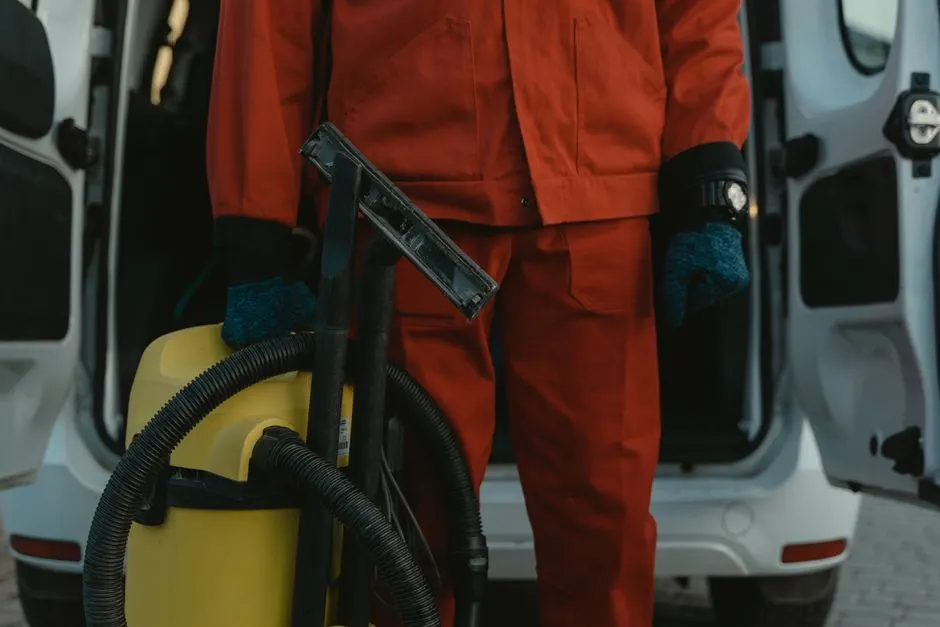
After coastal flooding in Hoboken or Bayonne, keep people and pets out of unsafe rooms, shut off electricity only from a dry, safe location, photograph the damage, and arrange prompt water removal and drying. Treat floodwater as contaminated, not as ordinary rainwater, and do not re-enter until authorities or a qualified professional confirm the building is safe. Those steps reduce the risk of shock, infection, corrosion, and hidden moisture damage.
What to do after coastal flooding in Hoboken and Bayonne is a safety-first response that removes contaminated water, documents damage, and dries affected building materials before mold and corrosion spread. In this guide, we explain what to check first, how saltwater differs from rainwater, and when our team should handle coastal storm water extraction.
What to do after coastal flooding in Hoboken and Bayonne
Residents of Hoboken and Bayonne should first follow local emergency instructions, avoid floodwater, and keep clear of downed wires and flooded electrical equipment. Water can hide open utility covers, sharp debris, and damaged steps; even a shallow layer can make a basement entrance dangerous.
Coastal flooding can arrive with high tides, wind-driven surge, and heavy rain at the same time. In Hoboken, low-lying streets and below-grade spaces can take on water quickly, while Bayonne homes and businesses near the waterfront can face salt-laden surge and debris. Our Water Extraction in New Jersey work starts with making the affected area safer, then removing water and drying what can be saved.
Use this first-hour checklist once officials say it is safe to approach your property:
- Keep children and pets away from standing water, wet outlets, and basement stairs.
- Do not touch a breaker panel, appliance, or cord if you are standing on a wet surface.
- Take photos and short videos before moving damaged items, if doing so is safe.
- Record the water line on walls and note which rooms and belongings were affected.
- Call your utility provider or emergency services about gas odors, sparking, or structural danger.
For urgent situations that require trained crews and extraction equipment, our Emergency Water Extraction in New Jersey service addresses water intrusion before it spreads farther into floors and walls.
Is it safe to enter a flooded home in Hoboken or Bayonne?
A flooded home in Hoboken or Bayonne is safe to enter only after officials clear the area and you can confirm there is no electrical, gas, structural, or contaminated-water hazard. If water reached outlets, the furnace, or the electrical panel, stay out until the utility or a qualified electrician makes the system safe.
Do not wade into a basement to reach a breaker. If the panel is in a dry area and you can reach it without stepping through water, shut power off; otherwise, leave it to the utility or an electrician. If you smell gas, leave immediately, avoid switches and flames, and call the gas utility from outdoors.
Floodwater in coastal neighborhoods is not clean simply because it looks clear. It can contain sewage, fuel, household chemicals, animal waste, and sharp objects. Wear waterproof boots and gloves only for brief, unavoidable contact, and cover cuts; do not let children help with cleanup.
Once entry is approved, move slowly and check for sagging ceilings, buckled flooring, cracked foundation walls, and doors that suddenly stick. Photograph conditions from the doorway first. If the structure shifts, a ceiling bows, or you hear unusual cracking, leave and contact emergency services or the building department.
How should you handle floodwater and salt residue?
After a coastal flood in Hoboken or Bayonne, treat saltwater and mixed floodwater as contaminated: keep it off skin, avoid splashing, and arrange controlled removal and cleaning. Salt residue can remain after the visible water disappears, so a surface that looks dry is not necessarily clean or safe.
Saltwater differs from rainwater because dissolved salts remain on materials and metal after drying. Salt accelerates corrosion on wiring, appliances, fasteners, and HVAC components; floodwater that mixes with sewer overflow also creates a biological hazard. This is why saltwater flood damage cleanup involves more than pumping out a room and running a fan.
Do not use a household wet/dry vacuum on floodwater unless its manufacturer specifically approves the equipment and the electrical setup is safe. Do not rinse a basement toward a floor drain if the sewer is still surcharged; that can send contaminated water back into the room. Our Hurricane and Coastal Flood Cleanup in New Jersey work accounts for coastal water, residue, and the need to dry concealed areas.
For small, confirmed-clean surfaces, follow product labels and local public-health directions. Flood-soaked porous items such as carpet padding, insulation, mattresses, and particleboard often cannot be reliably cleaned; separate them from salvageable belongings and photograph them before disposal. Never mix bleach with ammonia or other cleaners.
Document damage and protect belongings
Homeowners in Hoboken and Bayonne should document the water level, affected rooms, and damaged property before cleanup changes the scene. Clear records help you explain the loss to your insurer and support decisions about what needs repair or replacement.
Take wide room photos, then close-ups of the waterline, damaged materials, serial numbers, and personal items. Write down the approximate time you found the water, how high it reached, and whether it smelled like sewage or fuel. Save receipts for emergency purchases and temporary repairs, and keep a simple list of each item you move or discard.
Move dry, valuable belongings to a clean, elevated area only if the route is safe. Do not carry wet electrical equipment or lift heavy furniture alone. If you have to move a damp item, use gloves and place it on a washable surface away from unaffected rooms.
In older Hoboken buildings, water can travel beneath wood flooring and behind plaster well beyond the visible waterline. Bayonne basements with finished walls can hide wet insulation or framing. Ask the cleanup crew to check adjacent rooms and wall cavities, not just the area where water is pooled.
Remove water and dry the building thoroughly
Coastal floodwater in a Hoboken or Bayonne property should be removed promptly, followed by moisture checks and drying of floors, walls, and concealed spaces. Water left in porous materials can feed mold growth; EPA guidance commonly recommends drying wet materials within 24 to 48 hours when feasible.
Professional crews use pumps for deeper water, extraction tools for remaining surface moisture, and air movers and dehumidifiers to draw moisture from building materials. The equipment plan depends on water depth, room size, material type, and whether contamination is present. A finished basement may need selective removal of soaked drywall or insulation so framing behind it can dry.
Our technicians check moisture in more than the visible floor. We assess baseboards, lower wall sections, flooring edges, and the air in affected rooms, then track readings as drying progresses. In many residential losses, active drying takes several days; the exact duration depends on how long water sat and how much material absorbed it.
Do not rely on a space heater or a single fan pointed at a wet wall. Heat without moisture removal can push damp air into other areas, while a fan can spread contaminated particles. Keep windows closed if outdoor air is humid or if authorities advise against ventilation, and follow the crew's equipment instructions.
If floodwater entered a basement, a purpose-built Basement Water Removal in New Jersey response can address pooled water and the lower-level materials that often retain moisture. Residents dealing with nearby waterfront exposure can also find area-specific service information for Water Extraction in Hoboken, where below-grade spaces need careful inspection after tidal flooding.
Common mistakes after coastal flooding
Residents in Hoboken and Bayonne can make flood damage worse by restoring power too early, cleaning without protective equipment, or assuming the room is dry once the puddles are gone. Avoiding a few common errors protects both your family and the parts of the building that can still be saved.
- Entering before clearance: Flooded streets and buildings can hide live wires, unstable flooring, or contaminated water.
- Turning on appliances: Motors and control boards exposed to saltwater need inspection before use; energizing them can cause shock or further damage.
- Waiting for the next sunny day: Moisture remains in wall cavities and under flooring, even after the surface dries.
- Using bleach as a complete solution: Bleach does not remove salt, repair corrosion, or make all porous materials salvageable.
- Throwing away evidence: Take photographs and keep a damage inventory before discarding affected belongings.
Do not pump water from a basement if the water level outside is still high without professional guidance. Uneven pressure against foundation walls can create structural stress. Let local authorities and experienced water-removal crews guide the timing and method.
When to call a professional
Hoboken and Bayonne property owners should call a water-extraction professional when floodwater covers a room, reaches electrical systems, contains sewage or fuel, or has soaked porous materials. A fast response helps limit hidden moisture and gives you a clearer path from water removal to cleaning and drying.
Call promptly if standing water remains after the immediate danger has passed, if the flood reached a basement or crawlspace, or if you notice a persistent musty or chemical odor. New Jersey tidal flooding response also needs a different approach from a clean supply-line leak: crews must consider salt residue, debris, possible contamination, and the safety of the building's electrical and mechanical systems.
New Jersey Water Extraction Pros removes water, checks affected areas, and sets up drying equipment suited to the property. We can also explain the cleanup sequence and upfront pricing before work begins. For homeowners asking when to call for coastal water extraction in New Jersey, the answer is as soon as it is safe to enter and water remains or materials are still wet.
Frequently Asked Questions
What should residents do after coastal flooding in Hoboken?
Residents should stay out until officials clear the area, avoid electricity and floodwater, photograph damage, and arrange prompt extraction and drying. Do not touch a wet breaker panel or turn on appliances exposed to water. If you smell gas, see sparking, or notice structural movement, leave and contact the appropriate emergency or utility service.
Who provides floodwater removal in Bayonne, New Jersey?
New Jersey Water Extraction Pros provides floodwater removal for Bayonne homes and businesses, including pumping, moisture checks, and drying after coastal flooding. Call when standing water remains, a basement is affected, or water reached walls or mechanical equipment. We assess the affected area and explain the next cleanup steps.
Is saltwater flood damage different from rainwater damage?
Yes. Saltwater leaves corrosive residue on metal, wiring, appliances, and building components, while coastal floodwater can also carry sewage, fuel, and debris. Both types require quick drying, but saltwater cleanup needs attention to residue and corrosion risk. Never energize a wet appliance until it has been inspected.
When is it safe to return after a coastal flood?
Return only after local authorities say the area is open and the building has no unresolved electrical, gas, or structural hazard. A professional or utility provider should clear systems exposed to water. There is no universal waiting period: safety depends on official notices and the condition of your property.
How long does it take to clean and dry a home after saltwater flooding?
Water removal can take hours, while drying commonly takes several days, depending on the depth, building materials, and time water remained. Wet porous materials may need removal, and hidden cavities need moisture checks. Start cleanup promptly; drying wet materials within 24 to 48 hours helps reduce mold risk when conditions allow.
Get help with Water Extraction in Hoboken and Bayonne
If coastal flooding has left water in your home or business, call New Jersey Water Extraction Pros for help with removal, cleanup, and drying. Call +1 (866) 896-8166 to discuss the water in your property and the next safe step.